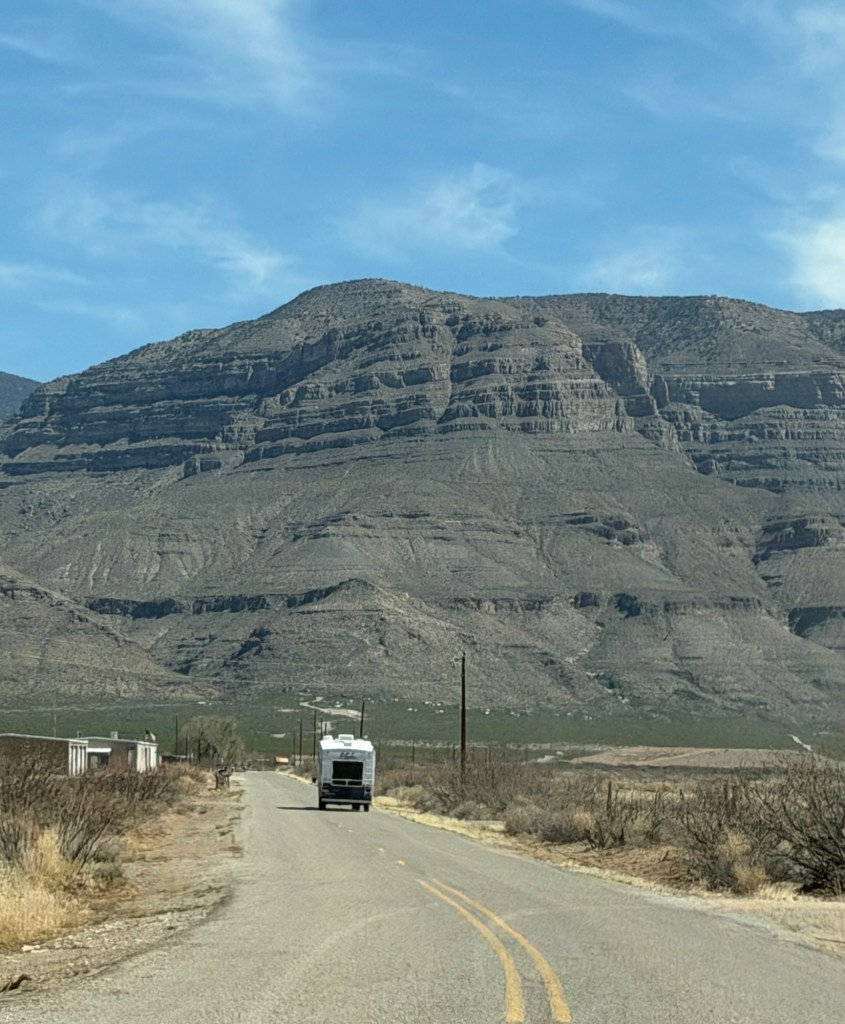
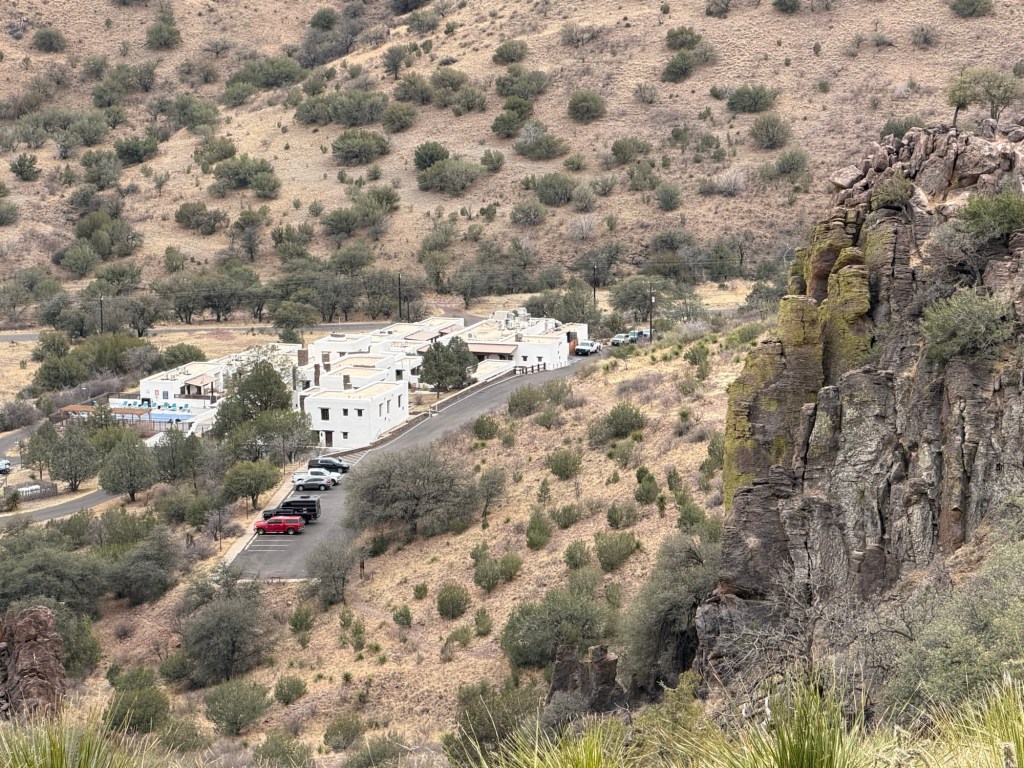
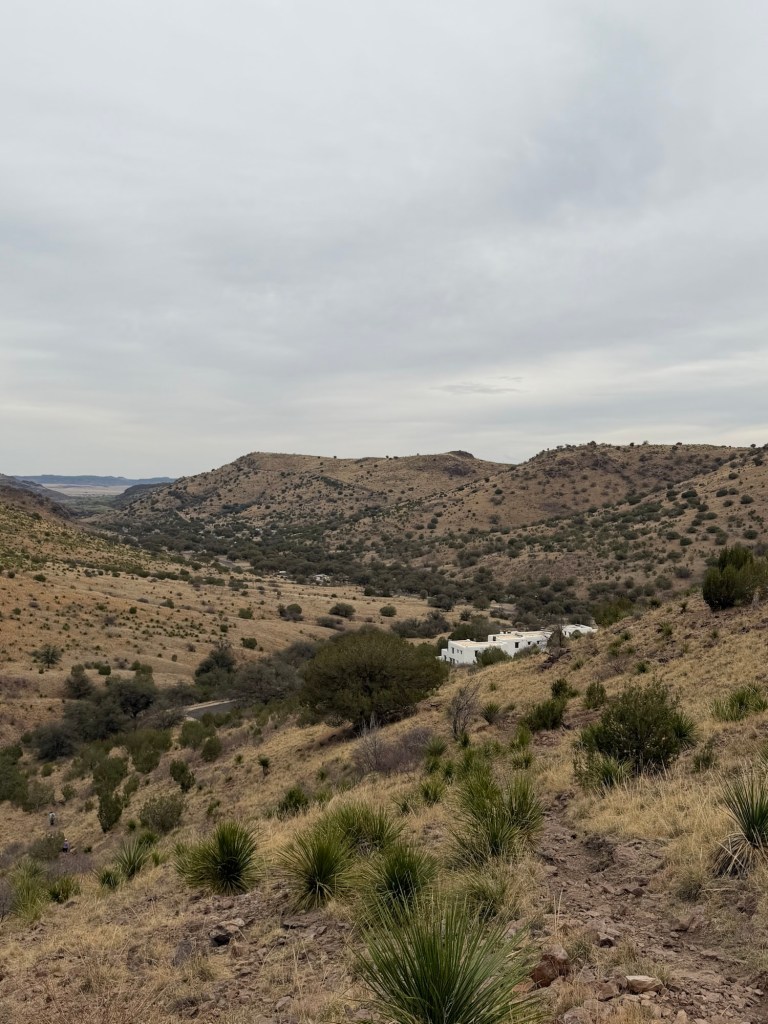
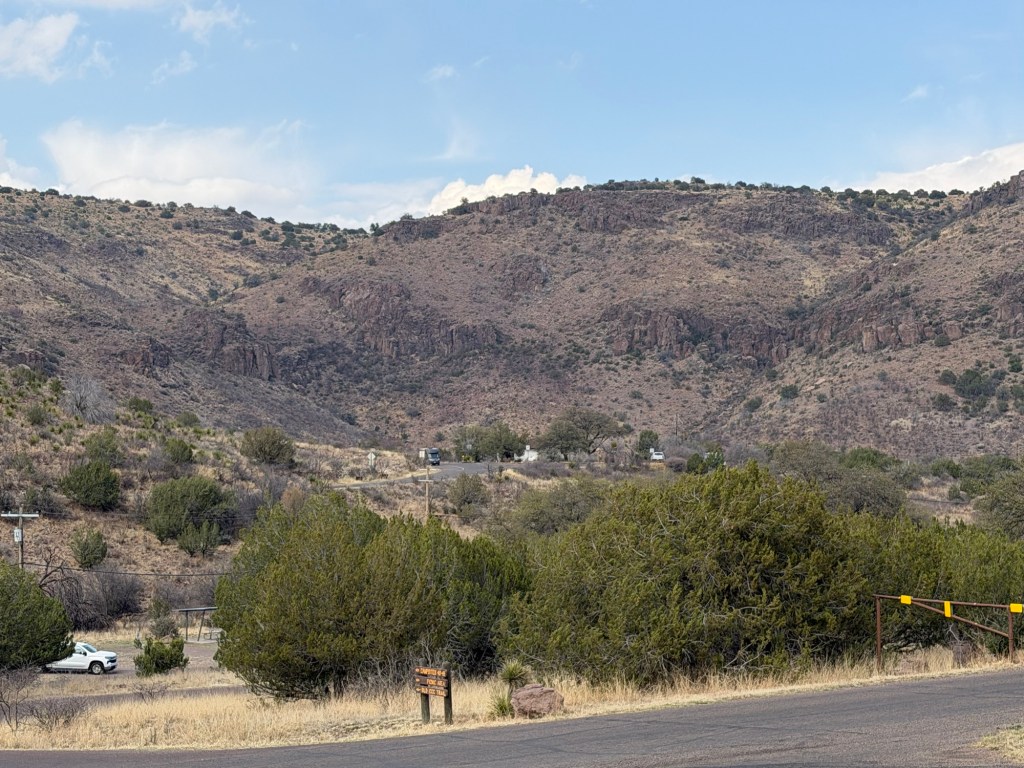
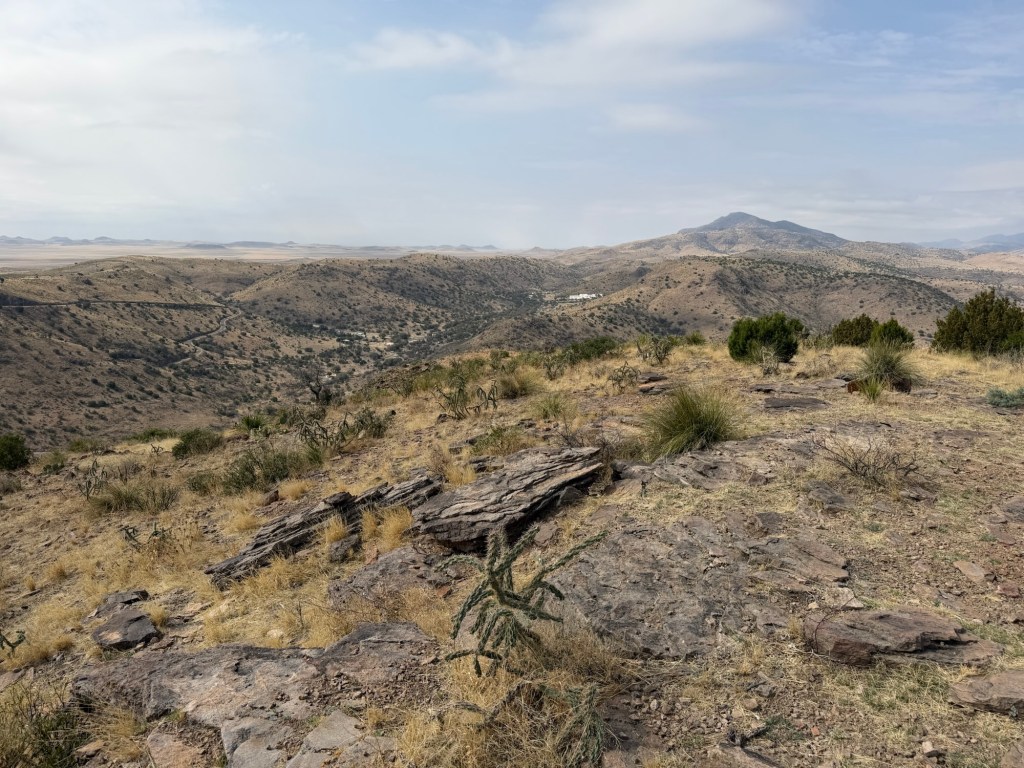
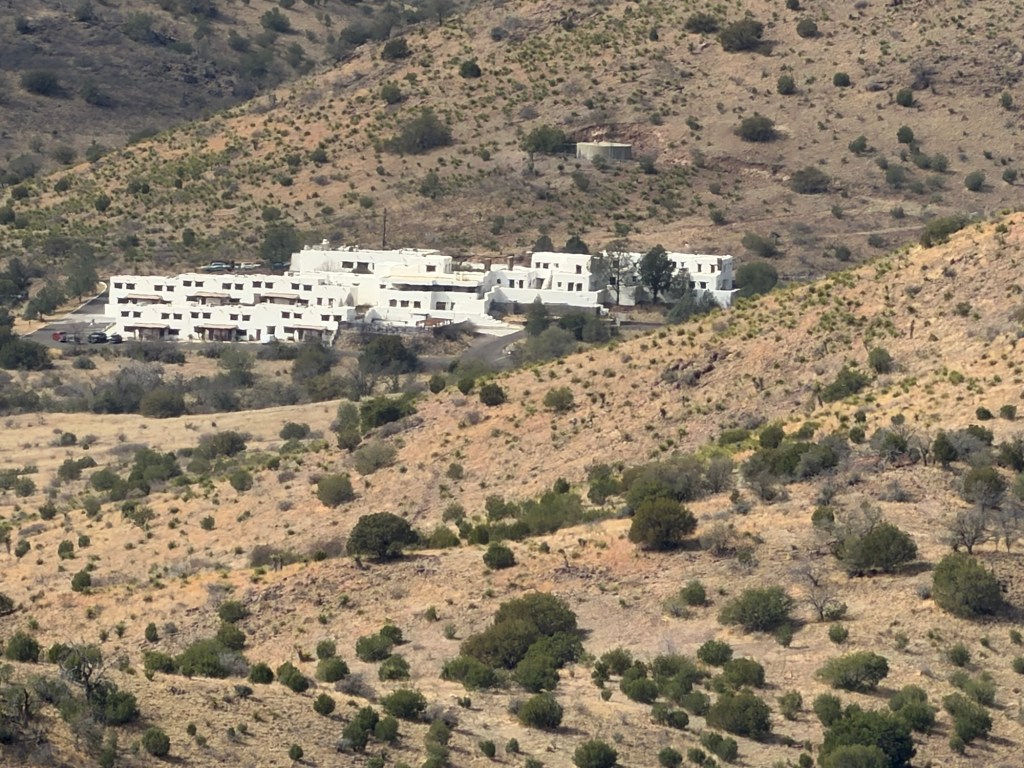
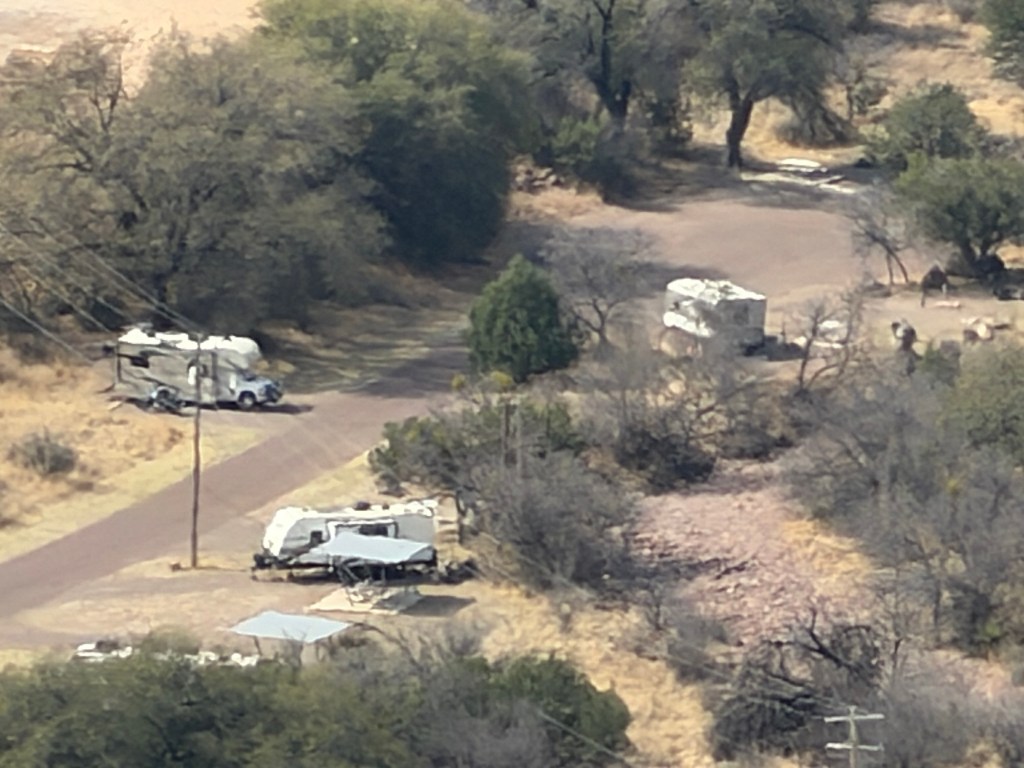
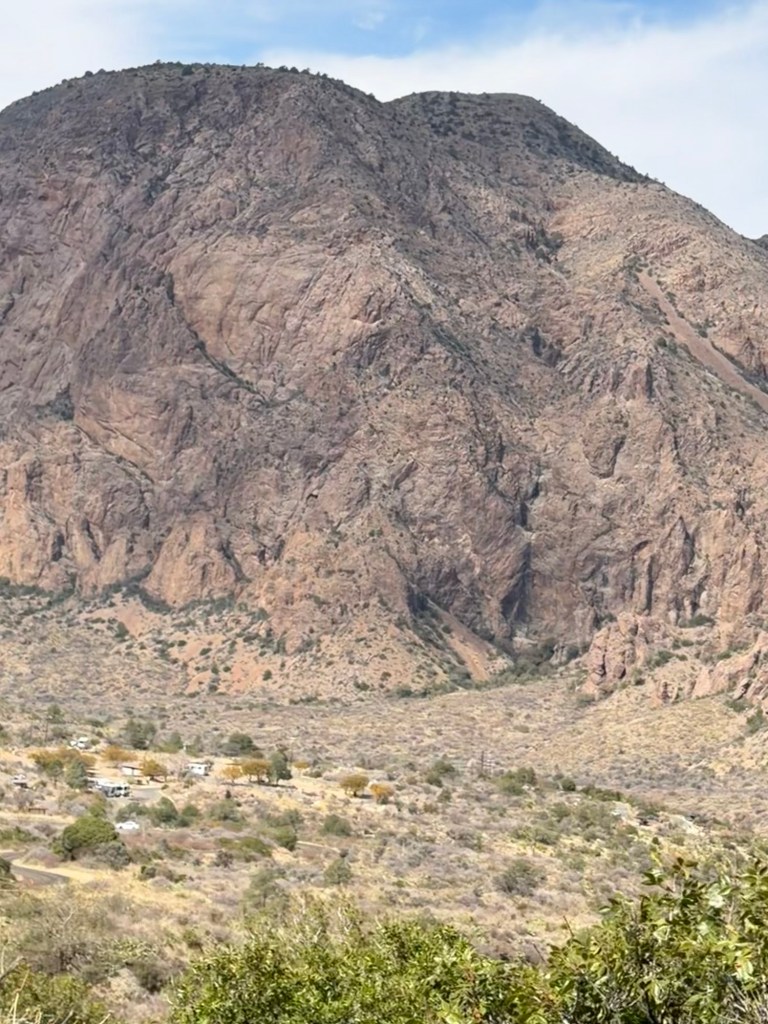
Sorry for the long title, but I haven’t had the chance to explore Oliver Lee Memorial SP yet, so I can really just speak to the campsite. I took this photo while coming back from the laundromat today because I wanted to show how the campground sits at the base of the Sacramento Mountains below the outlet of Dog Canyon. It’s not the best photo, but I was driving; the campground is the scattering of white dots (RV’s) in the green area just below the mountains.
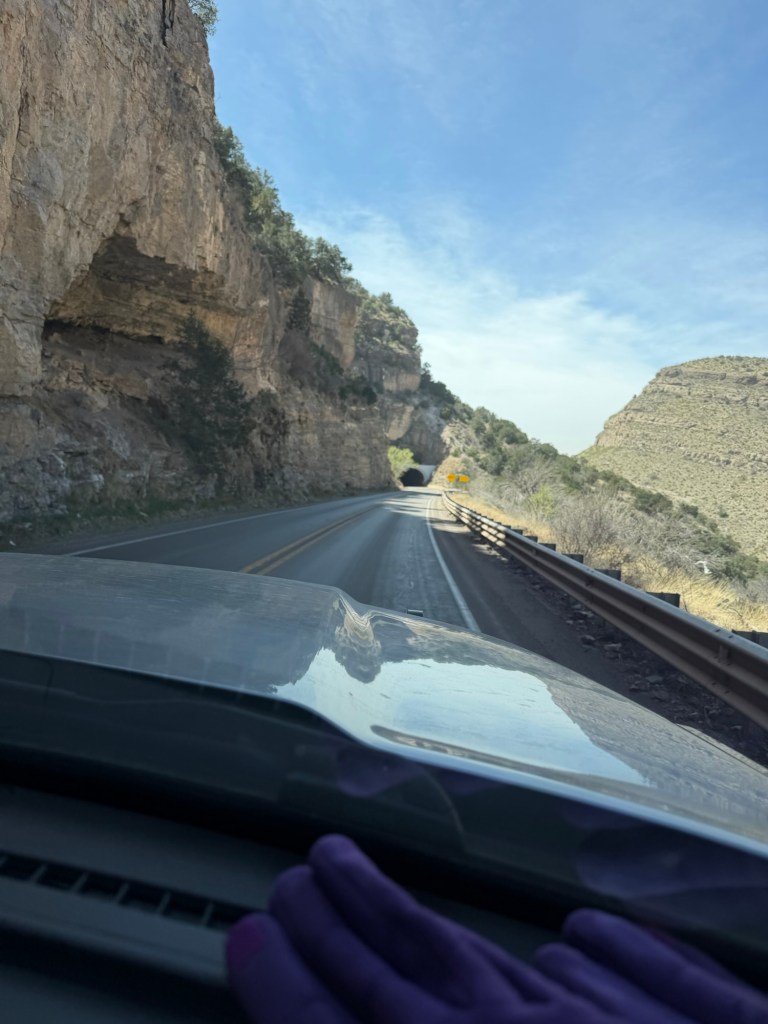
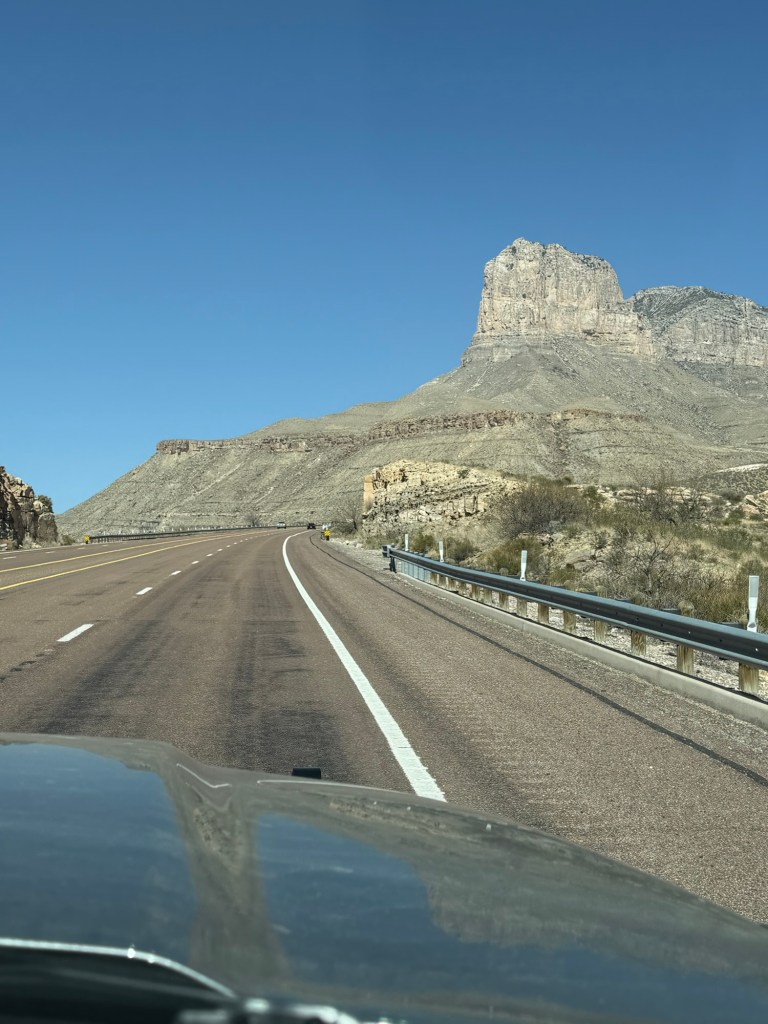
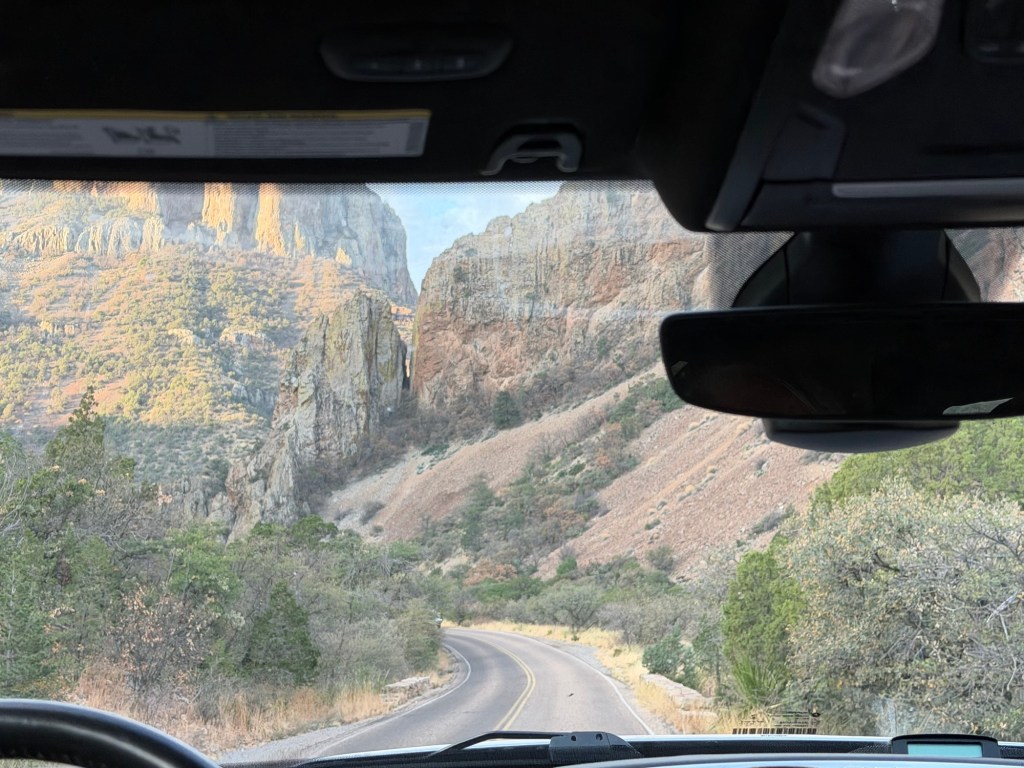
I didn’t take a photo coming in, but I did take pictures of our passage down this side of the mountains. Here we are approaching a tunnel in the midst of a long downhill on US 82 west of Cloudcroft, NM.
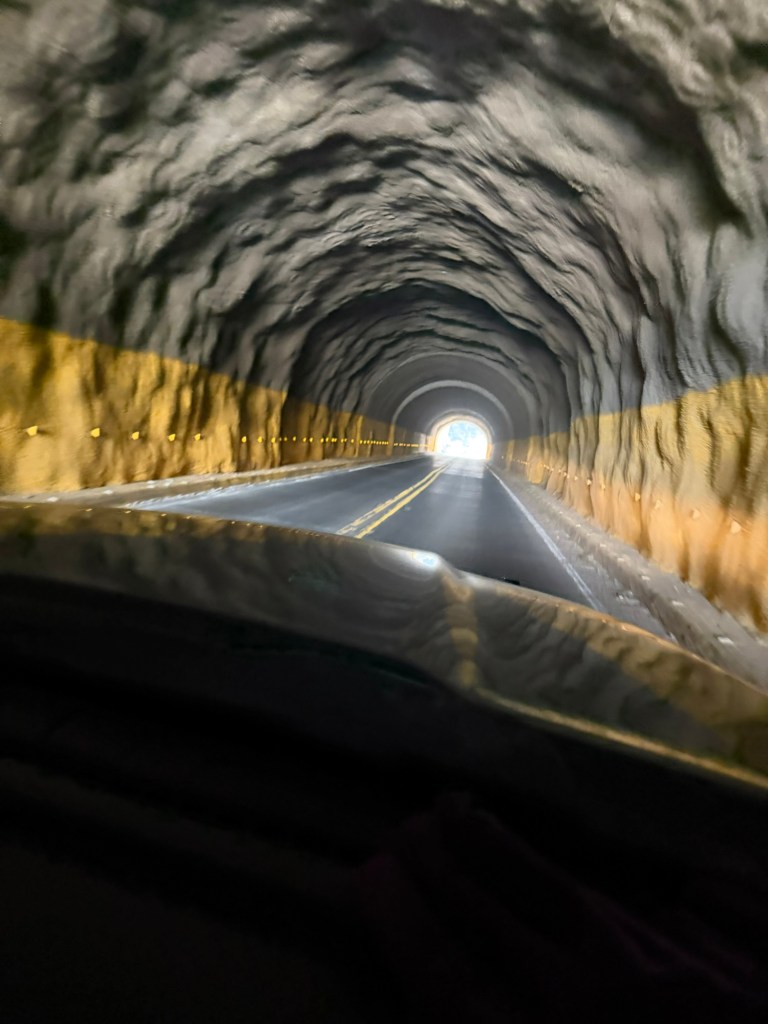
I noticed that the tunnel walls changed from carved rock to concrete. It was also unusual in that the tunnel was going downhill.
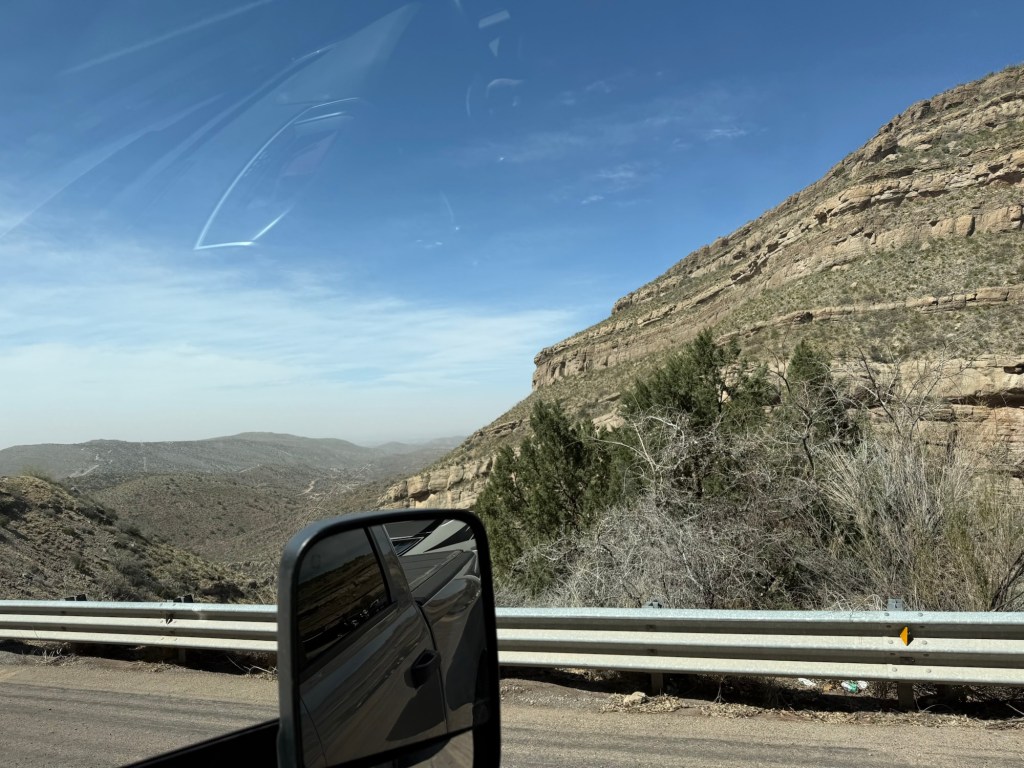
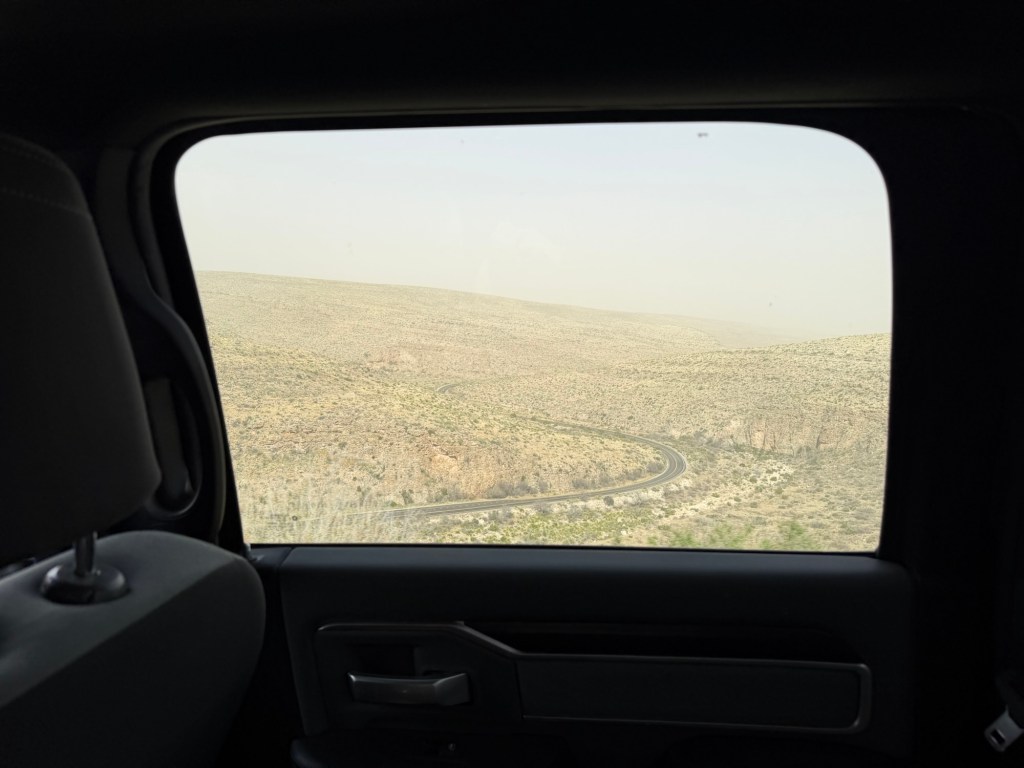
At this point we had been going steeply downhill for 9 miles, but we were still pretty high.
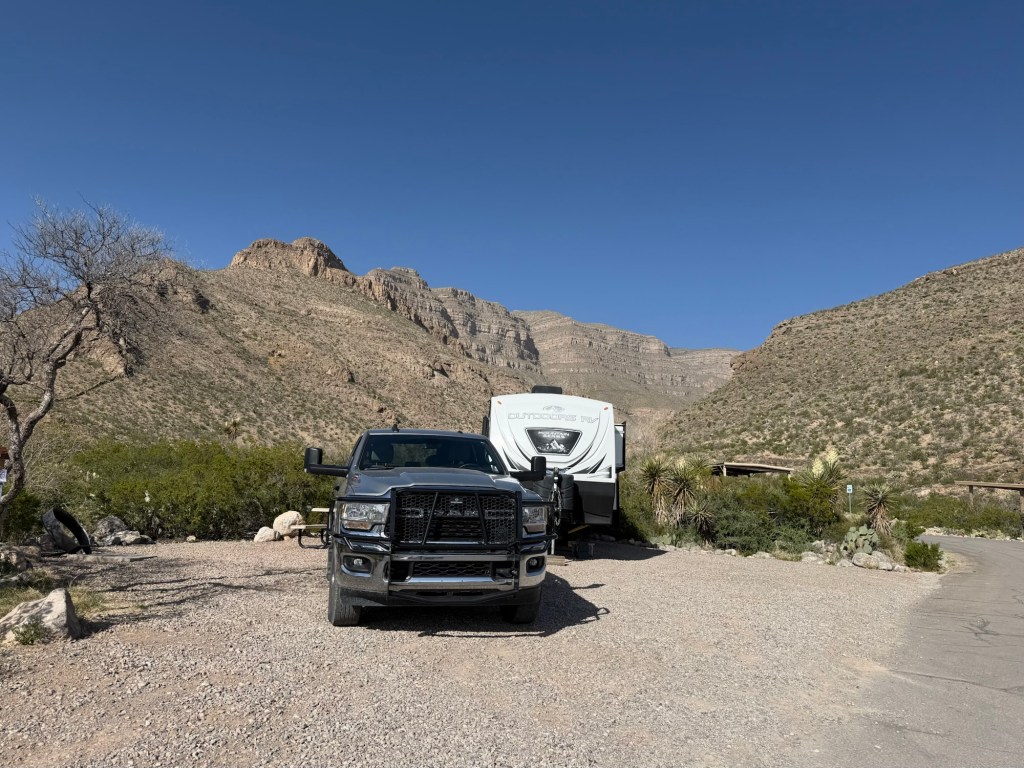
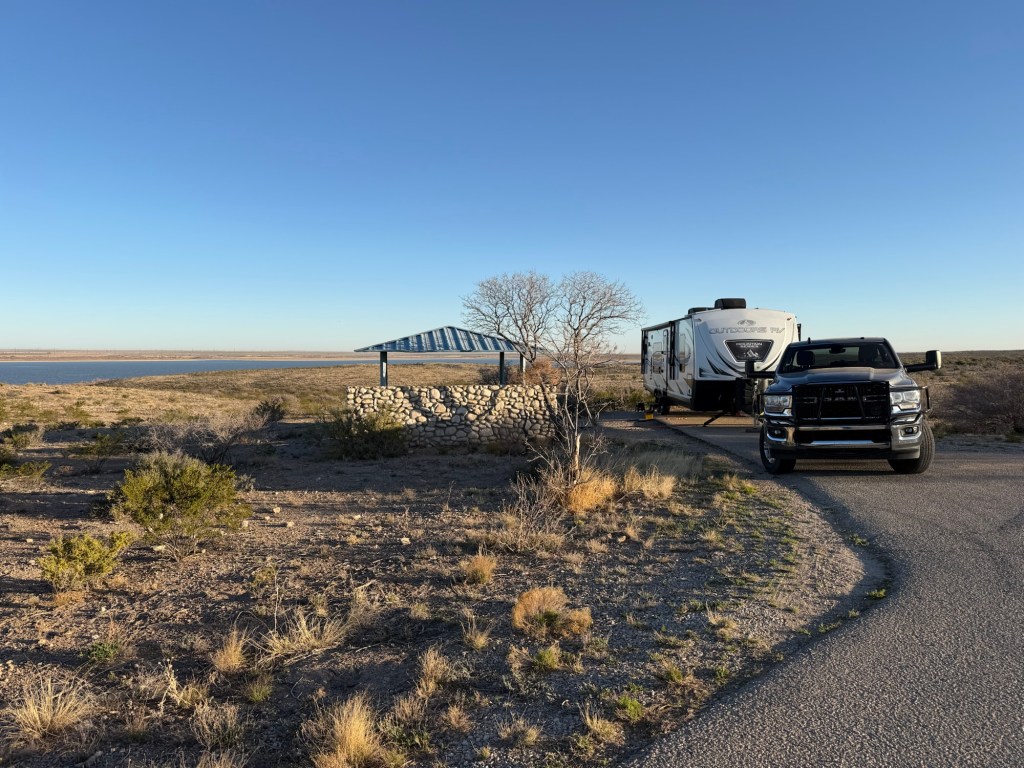
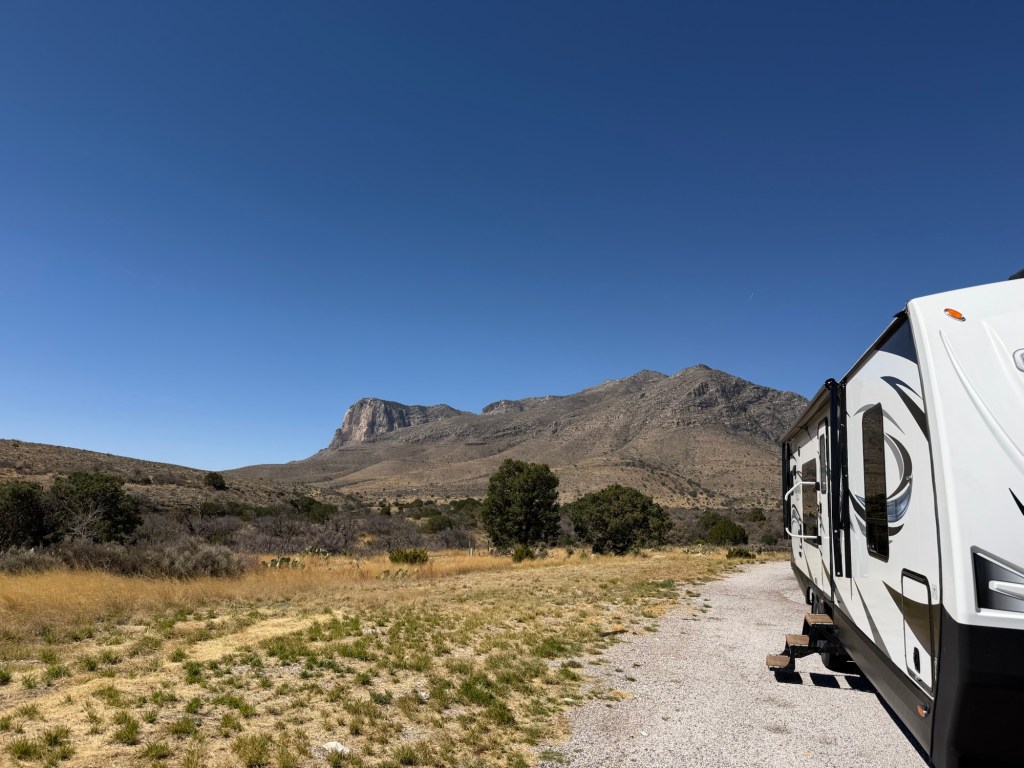
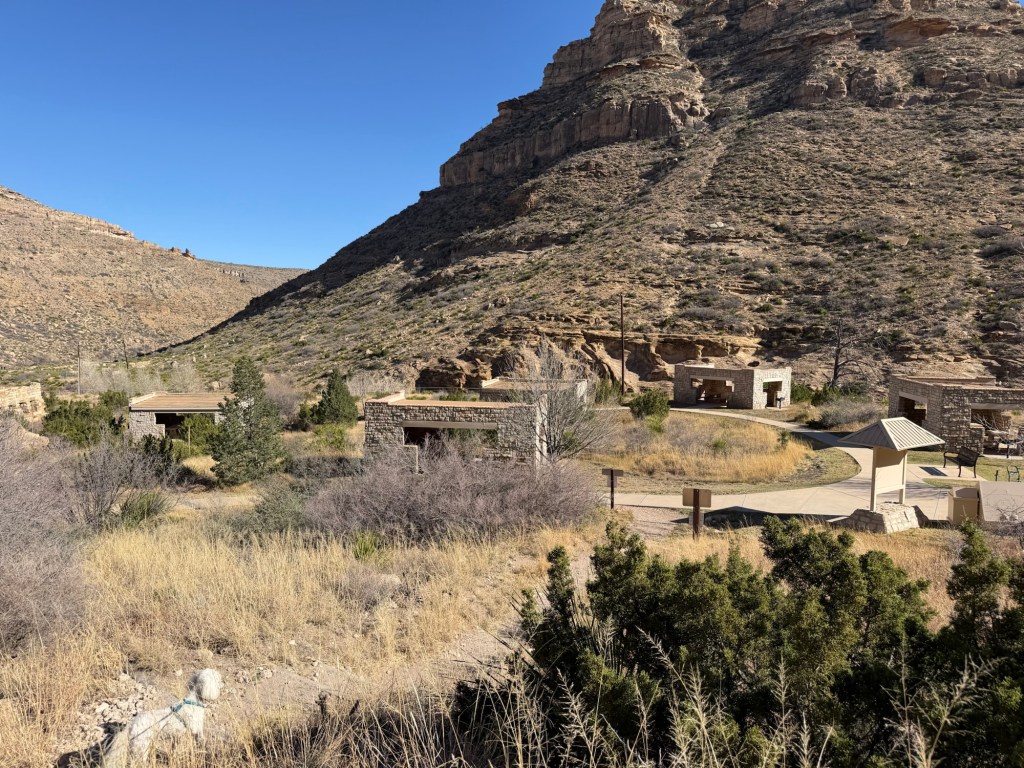
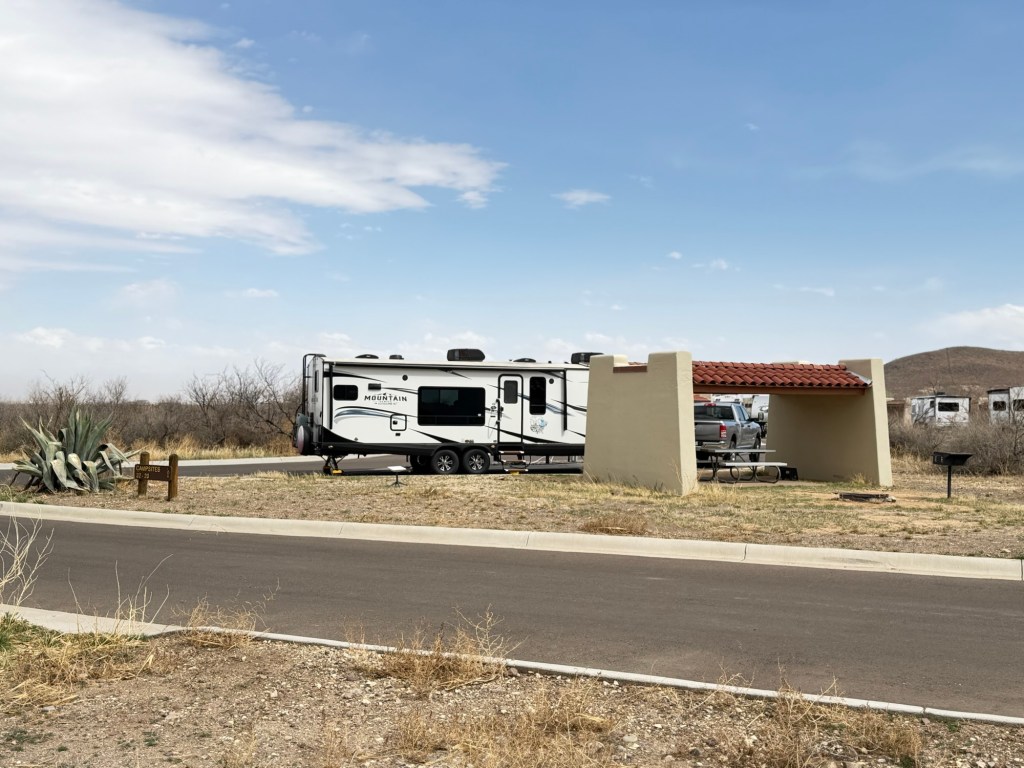
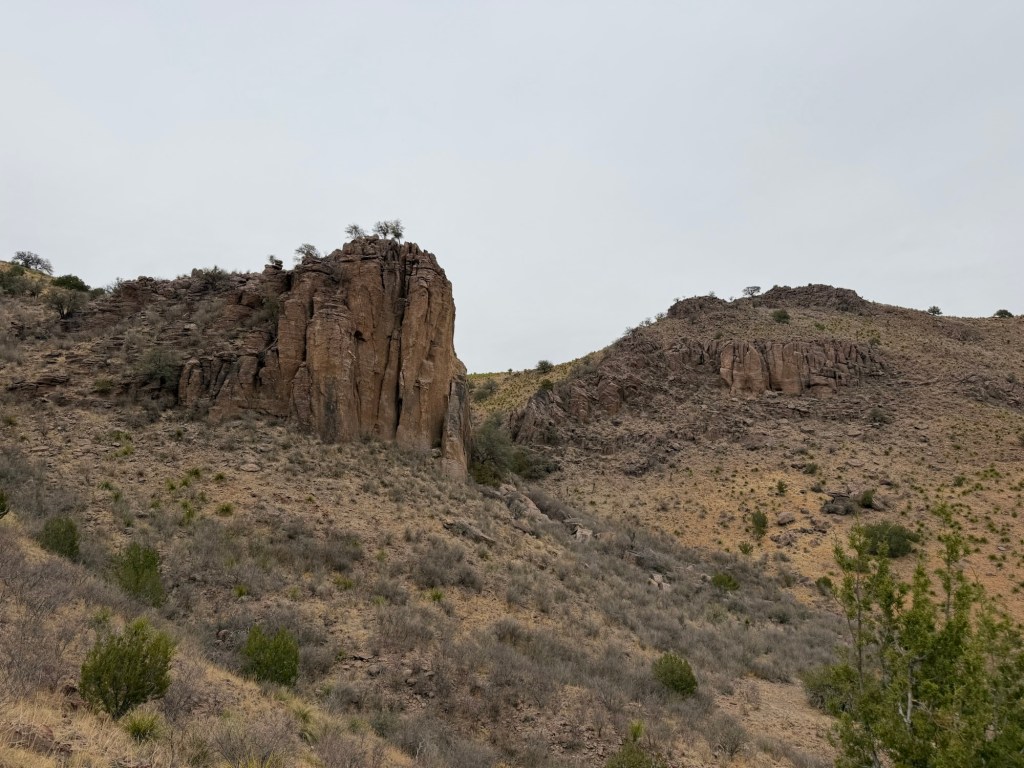
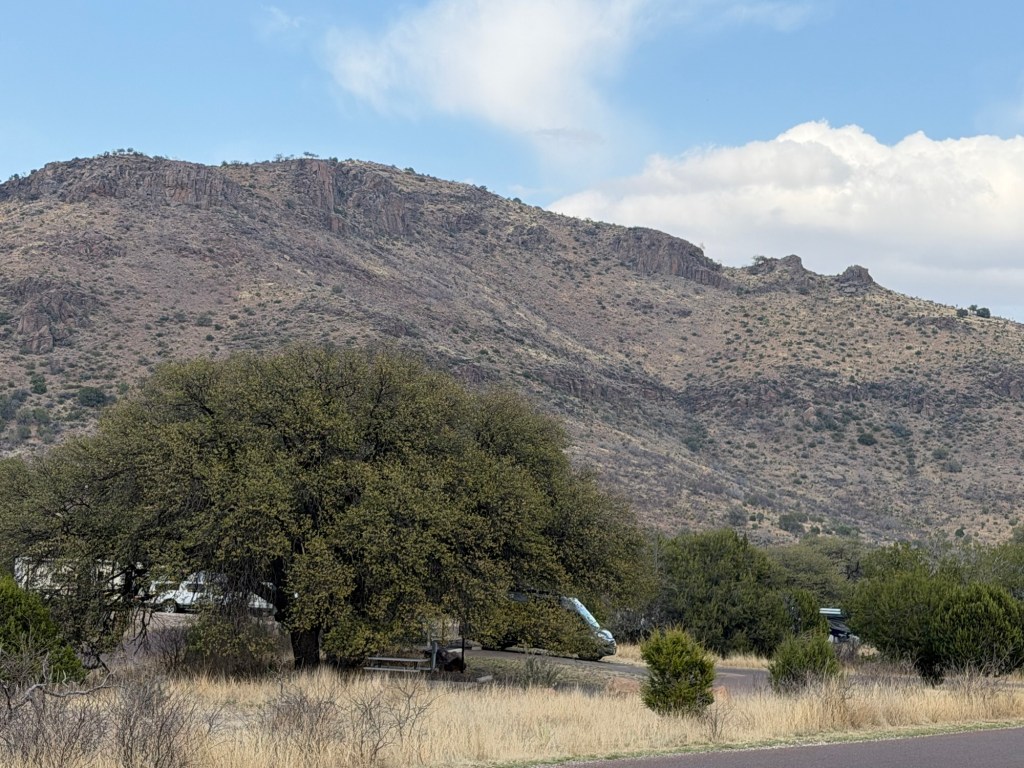
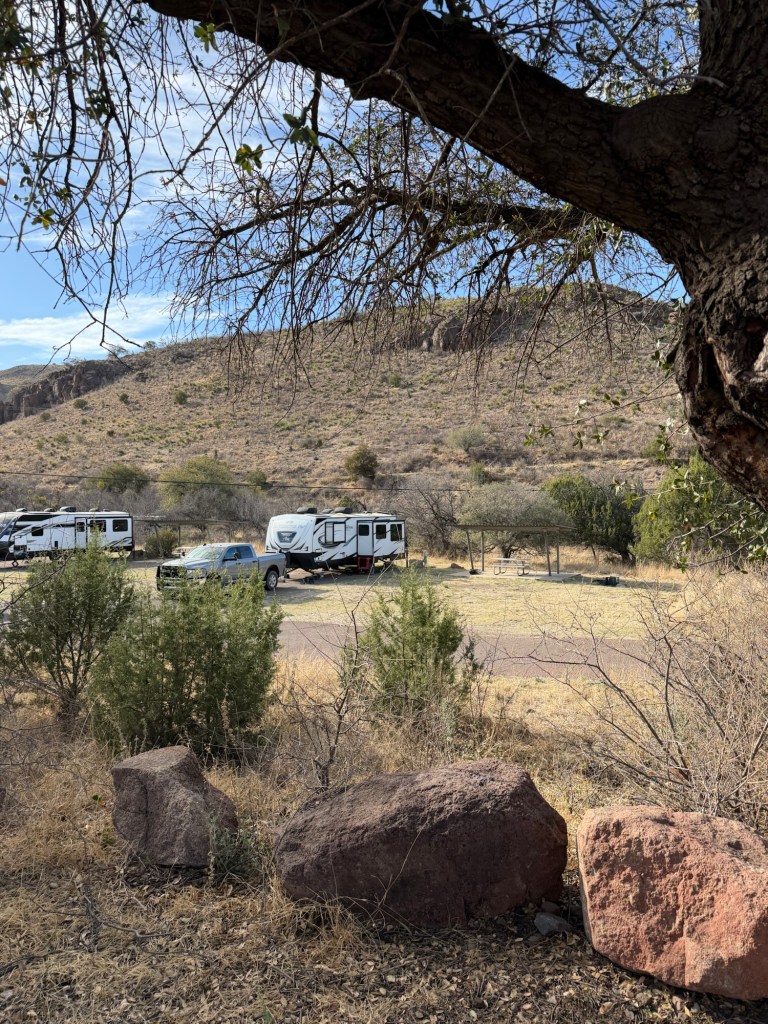
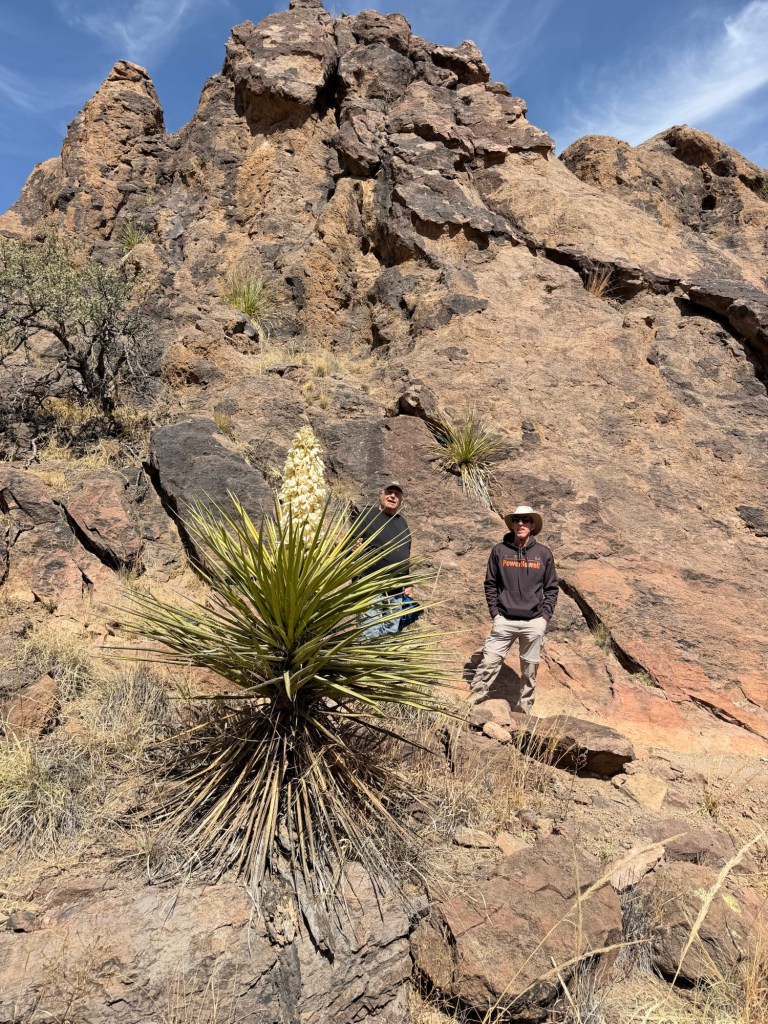
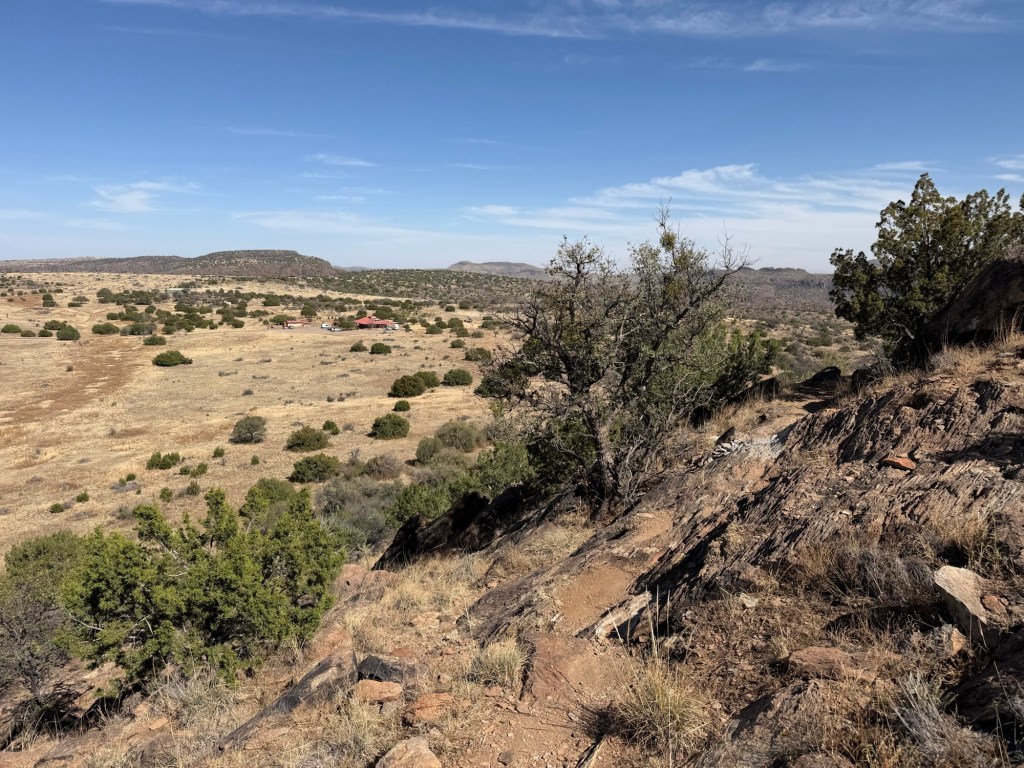
I did want to talk about the campsite because it’s stellar. That’s Dog Canyon behind us.
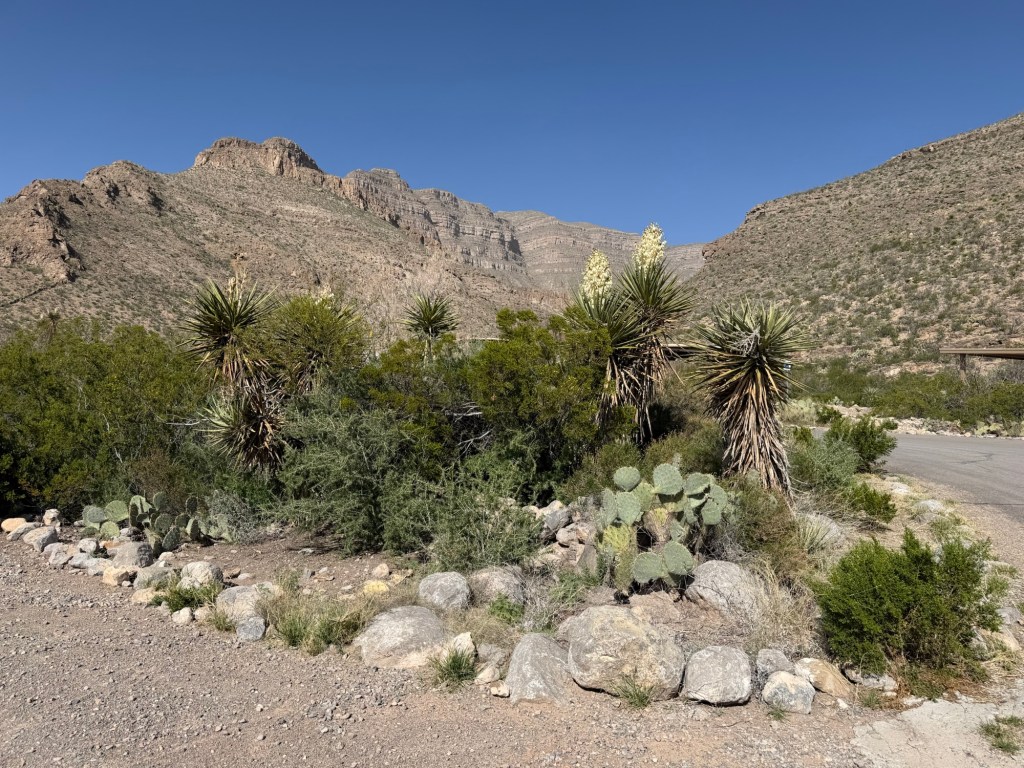
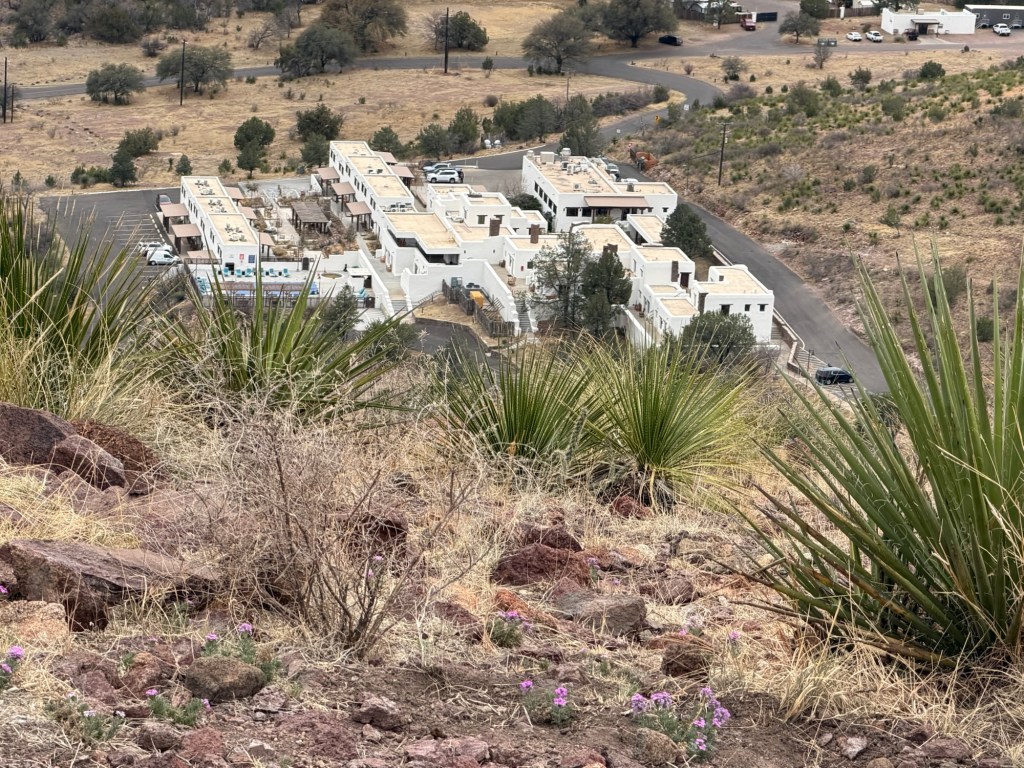
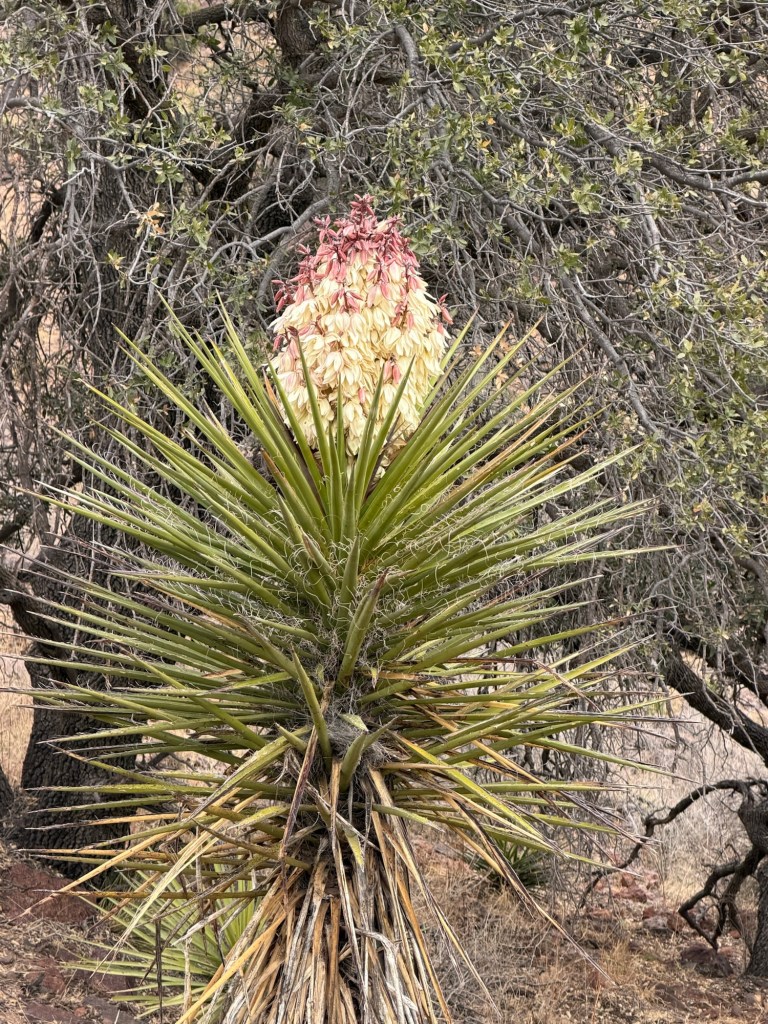
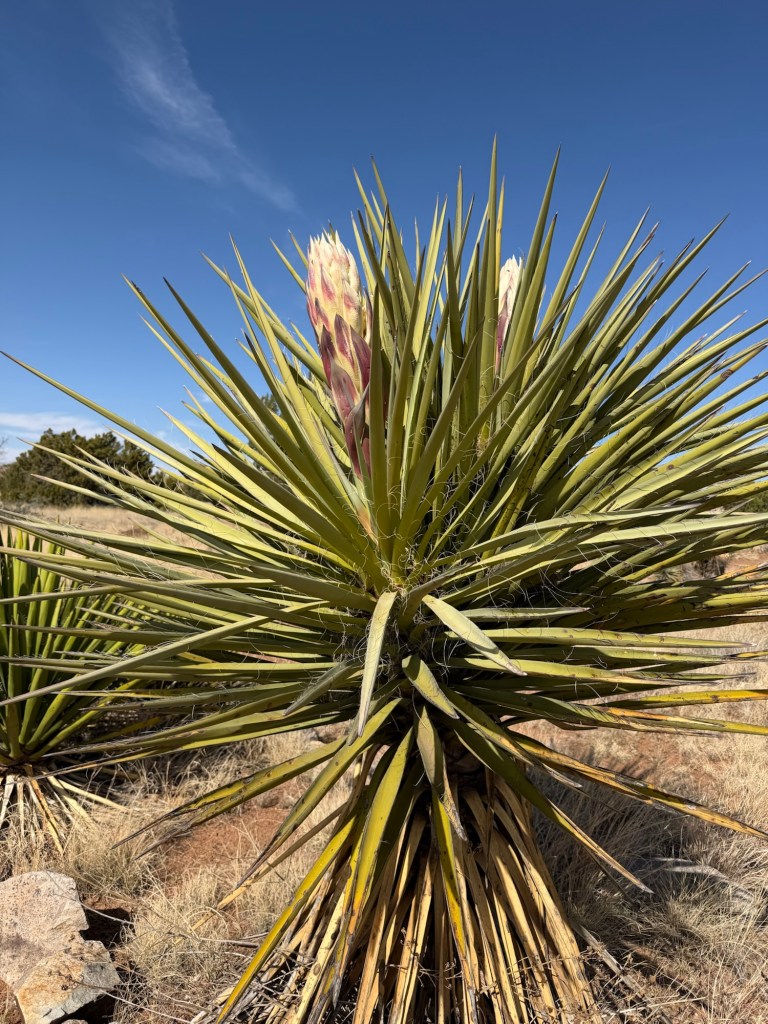
That blooming yucca is right next to us.
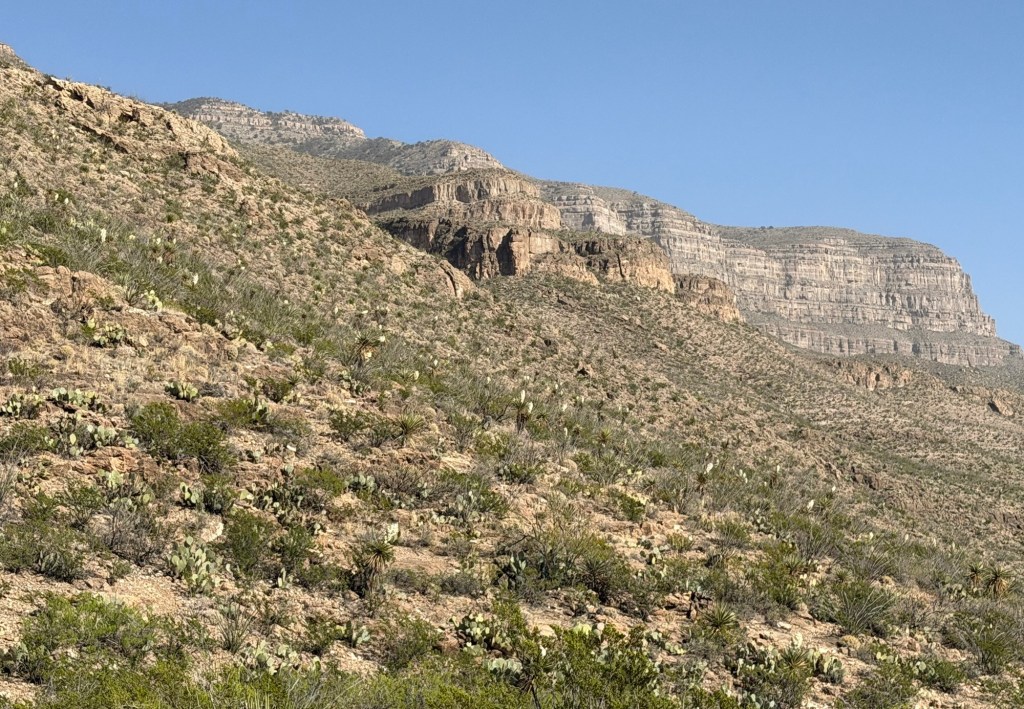
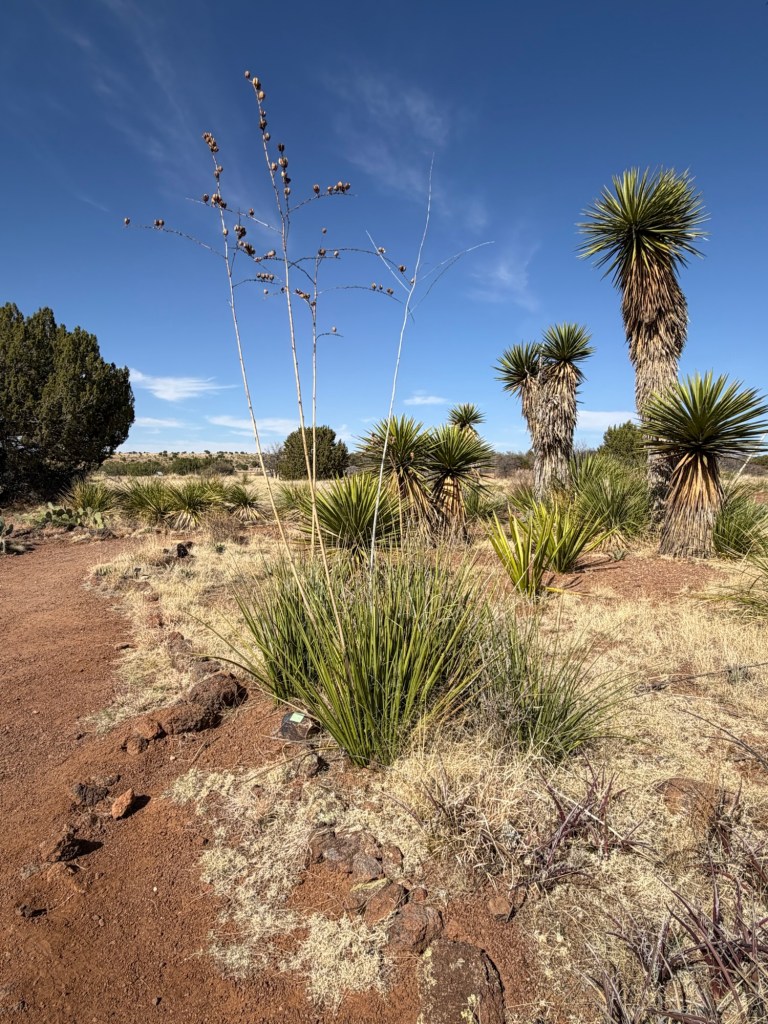
The whole hillside here is covered with yuccas in bloom.
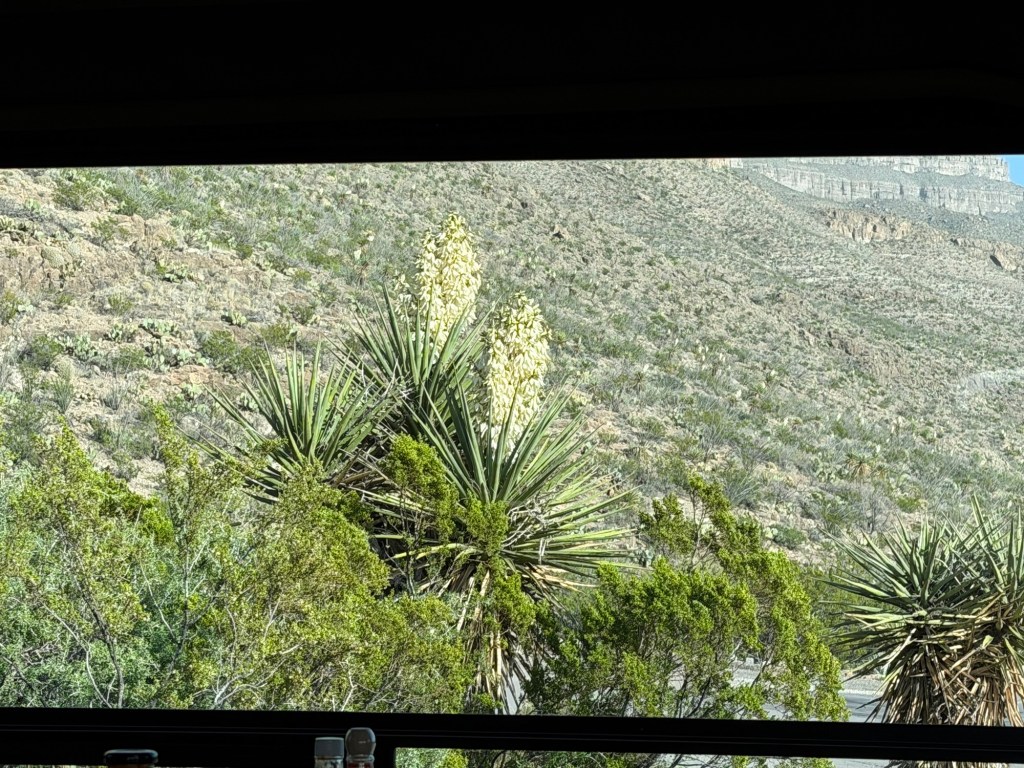
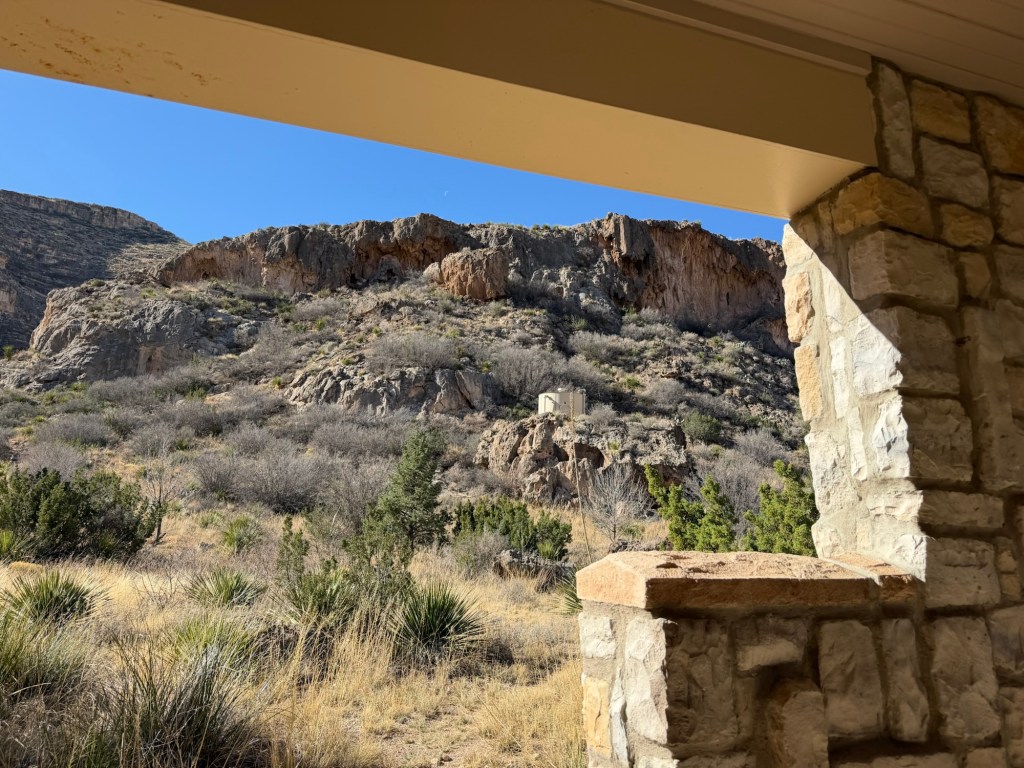
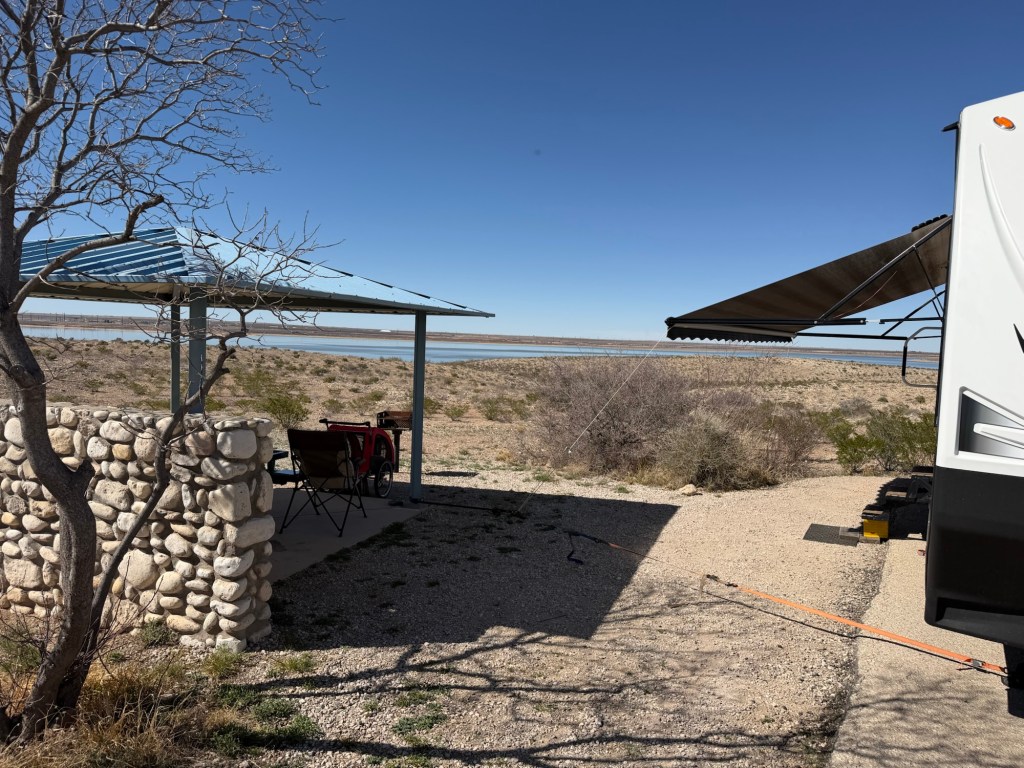
This has to be one of the nicest views we’ve ever had out our dinette window.
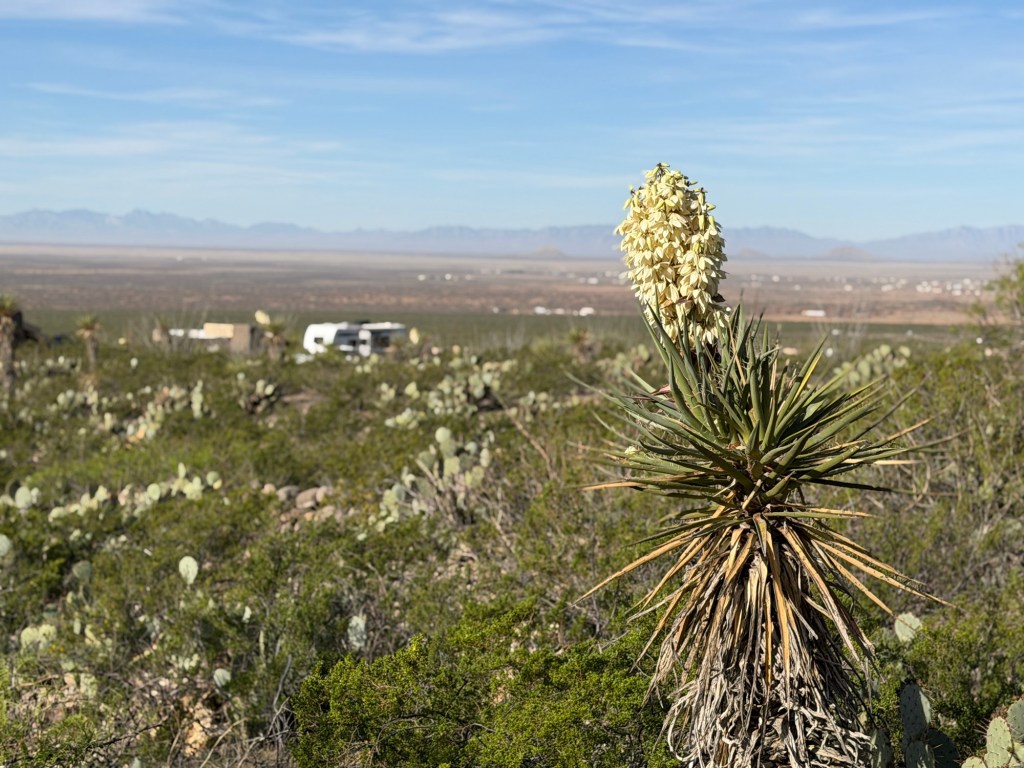
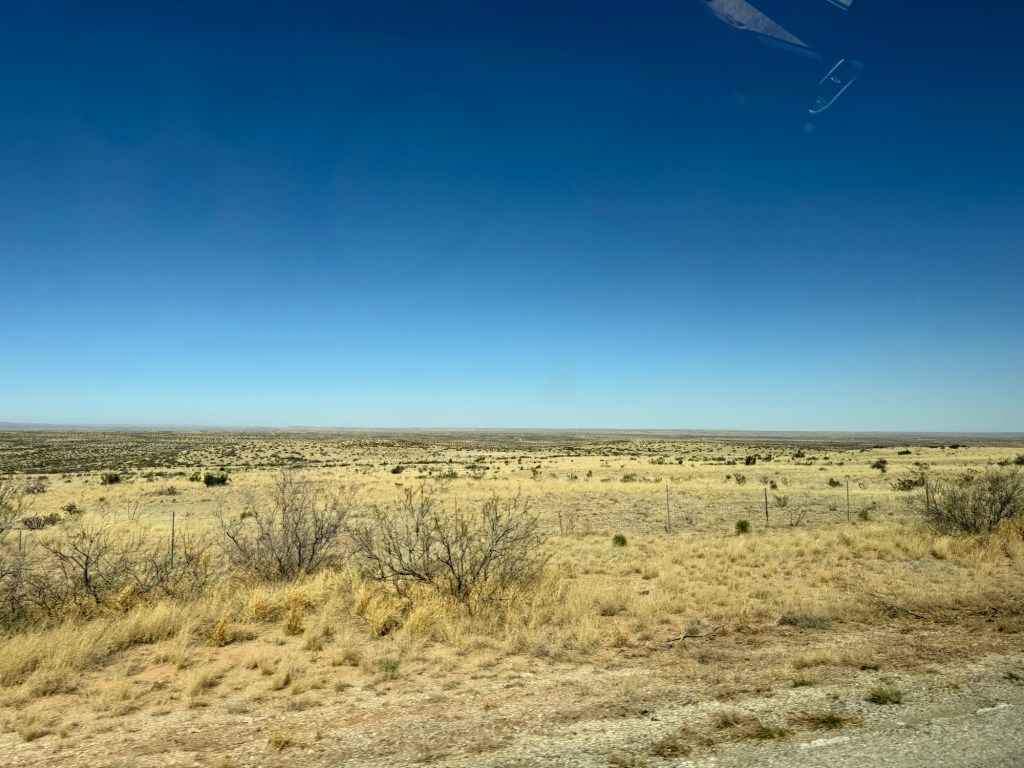
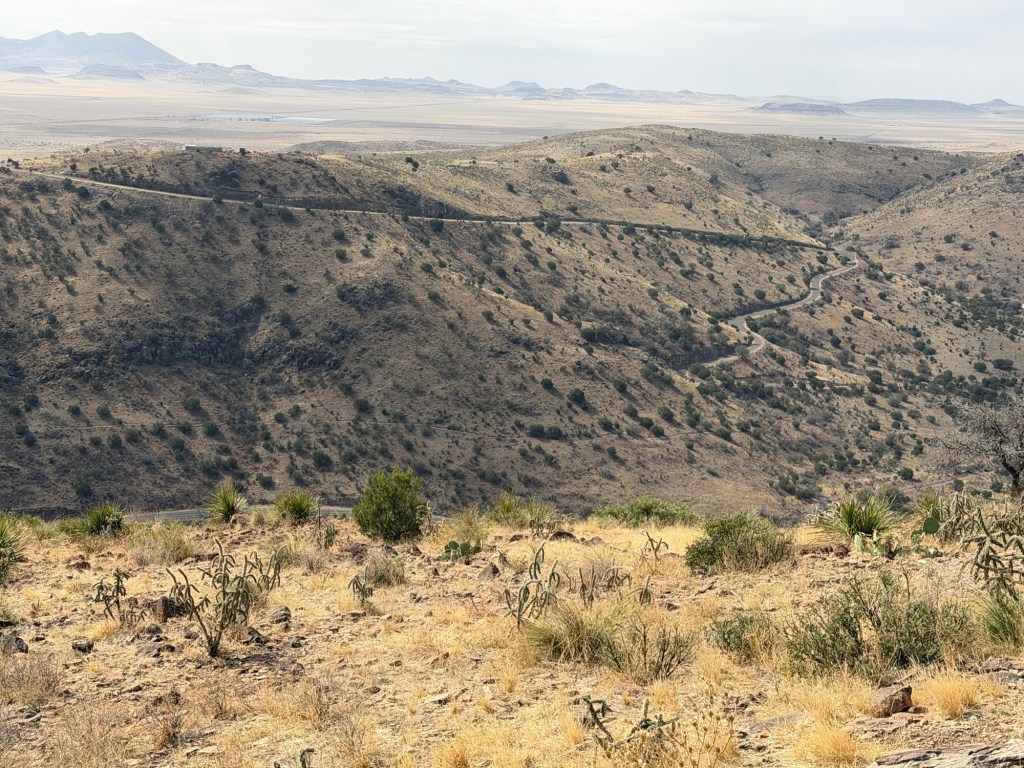
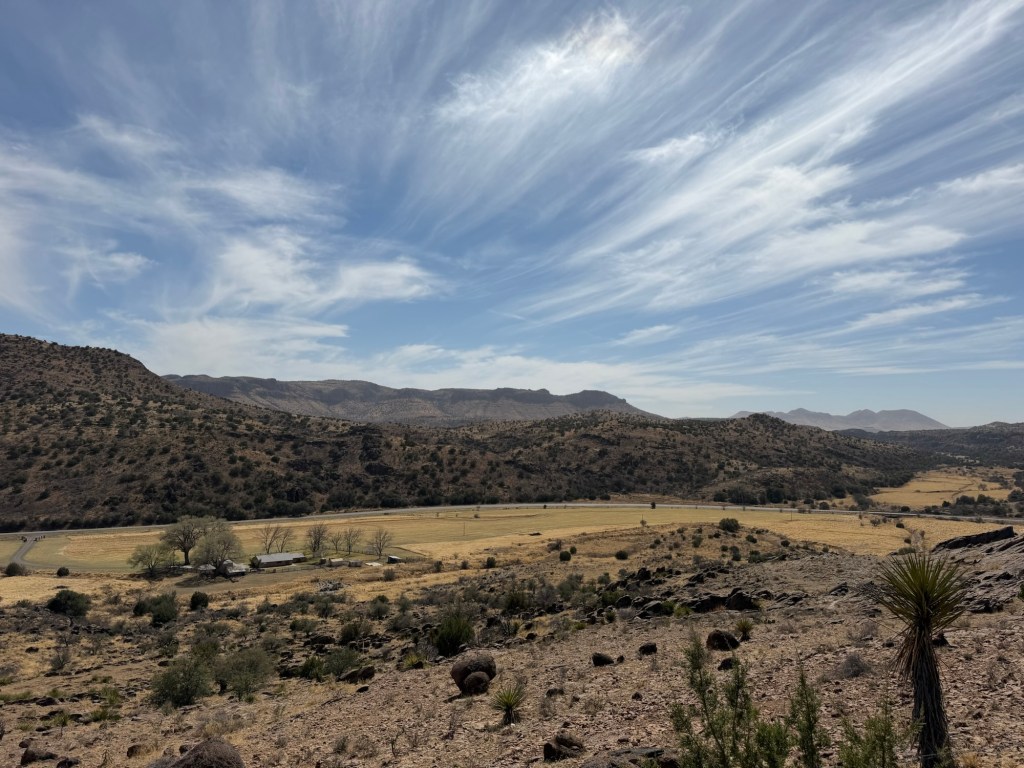
Looking west you look across the Tularosa Valley to the San Andres Mountains. Somewhere over there is White Sands National Monument, which we plan to stop at on our way to our next campsite.
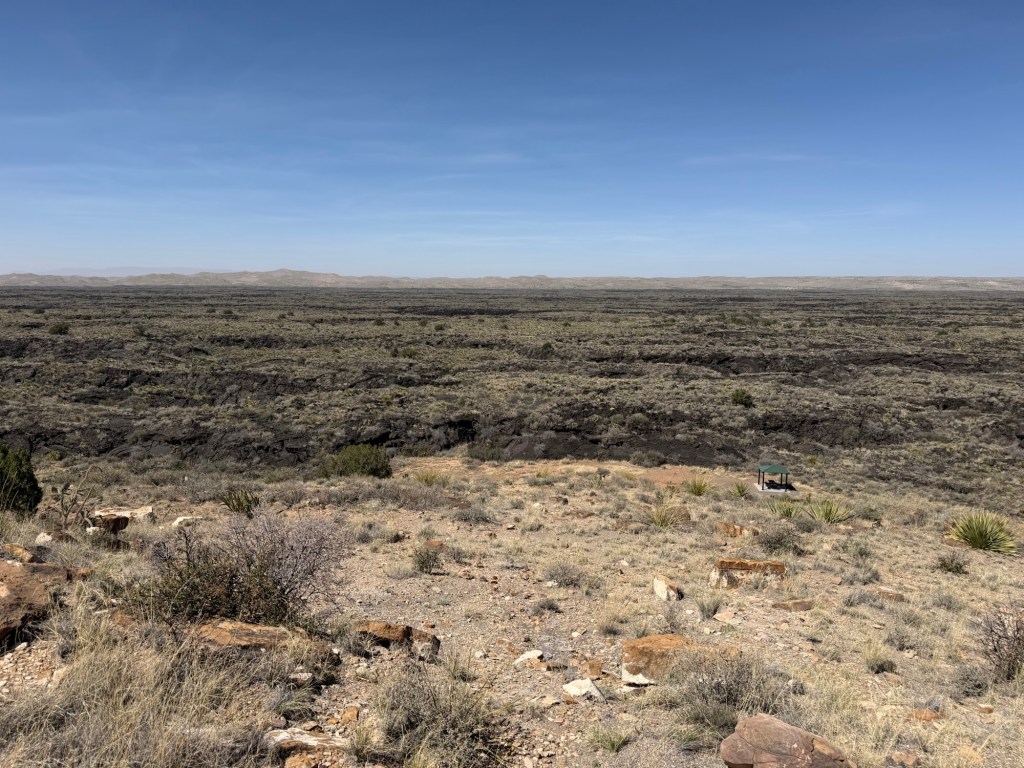
Meanwhile, yesterday the high was only about 71, so it was a good day to go exploring. We drove up to Valley of Fires Recreation Area. This is a giant lava flow,
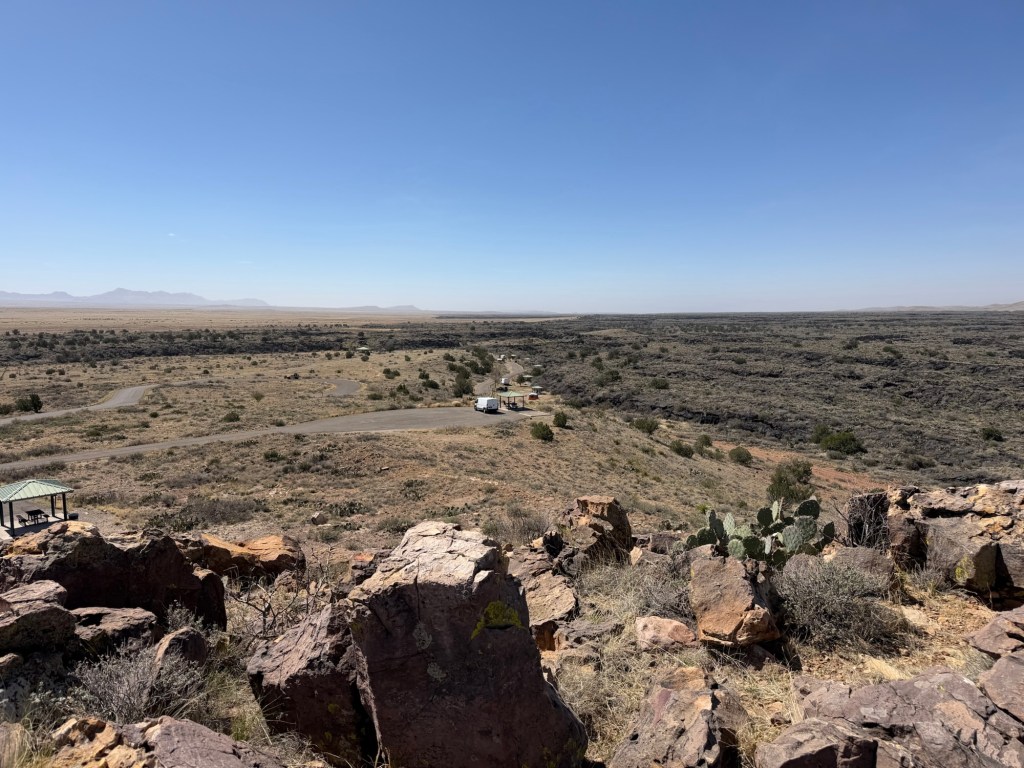
with an island of desert in it.
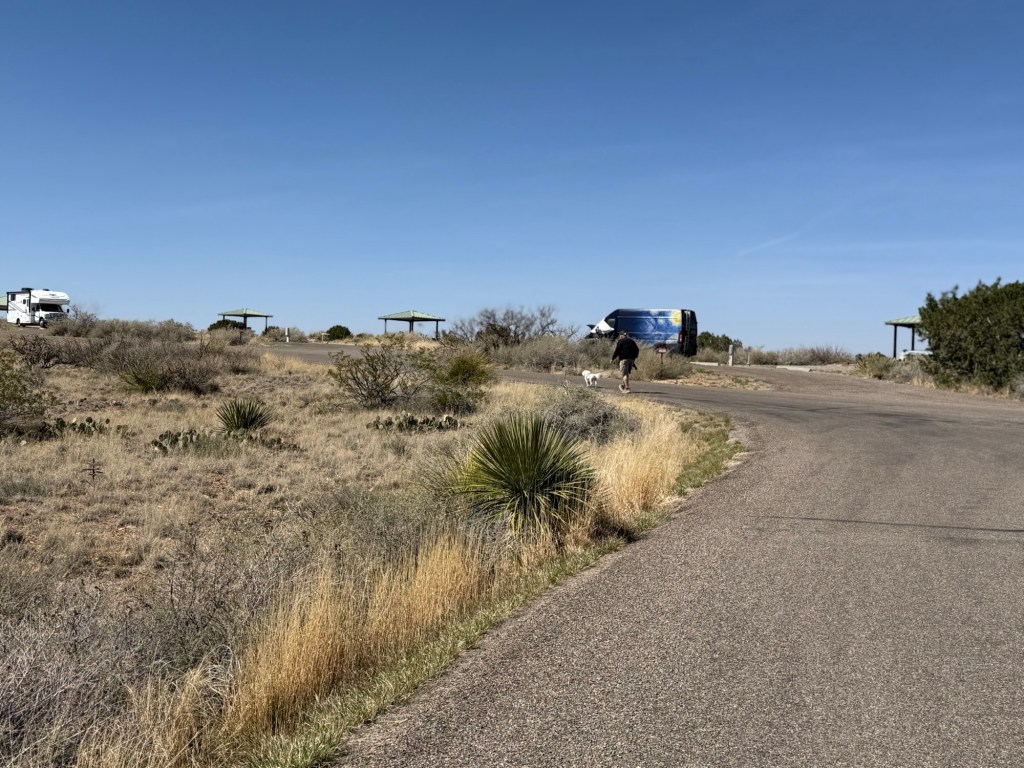
There’s a small campground on the island…
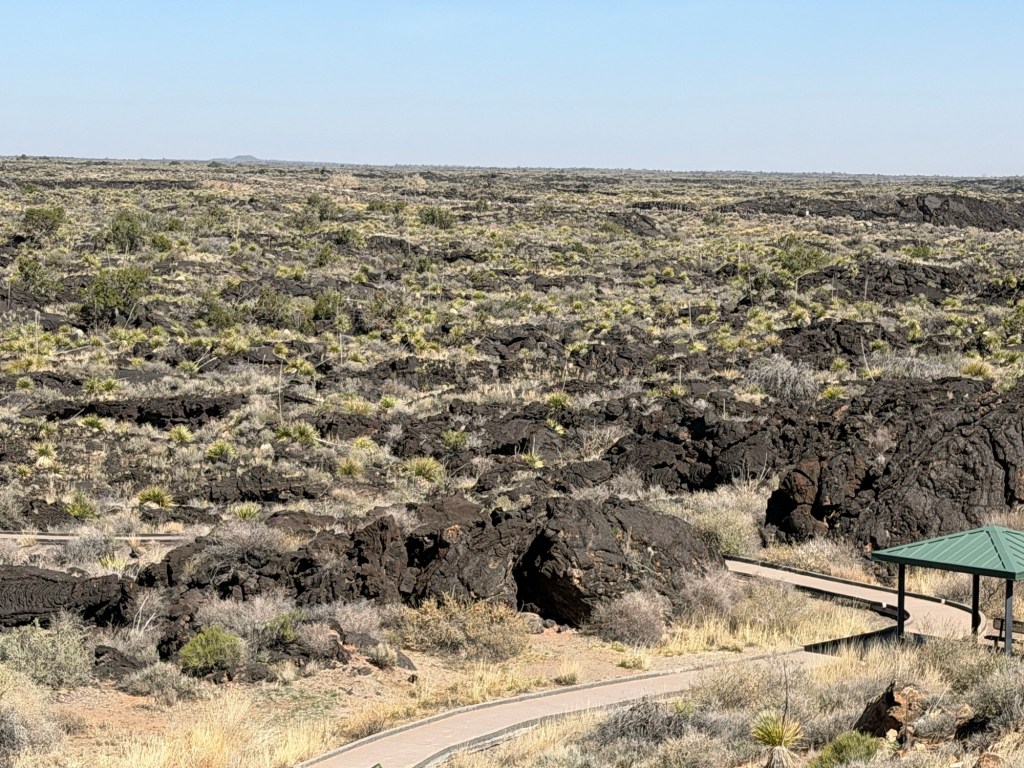
and a paved trail out into the lava.
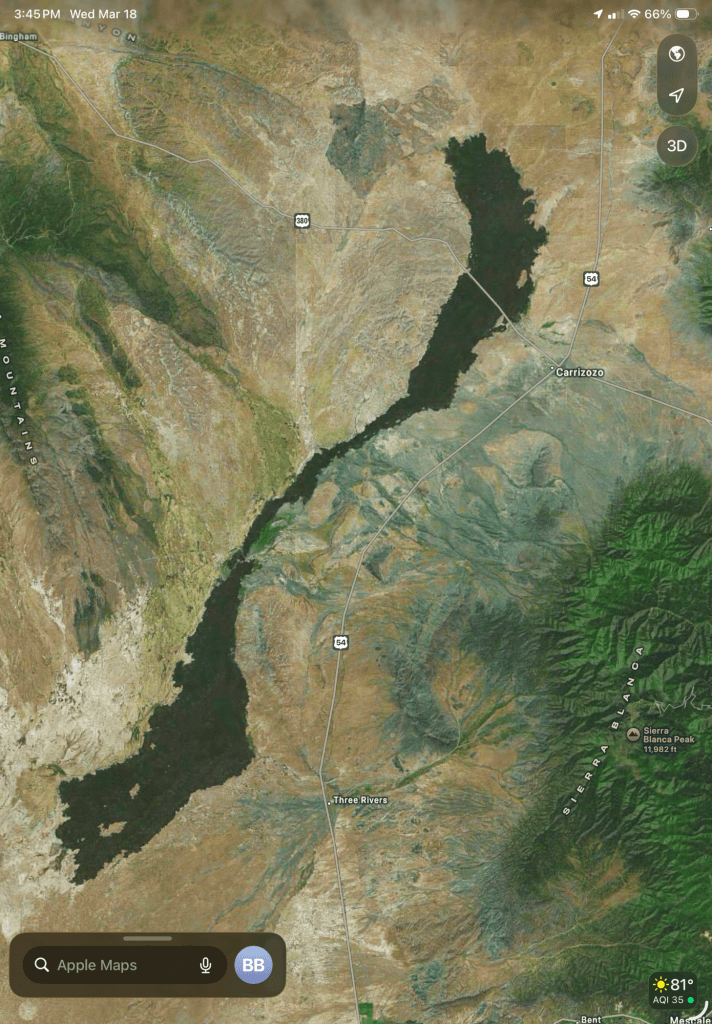
This is the satellite image of the Carrizozo Malpais (malpais is bad land or country in Spanish) from Apple Maps, one of the youngest and longest lava fields in the continental United States. It is about 42 miles long.
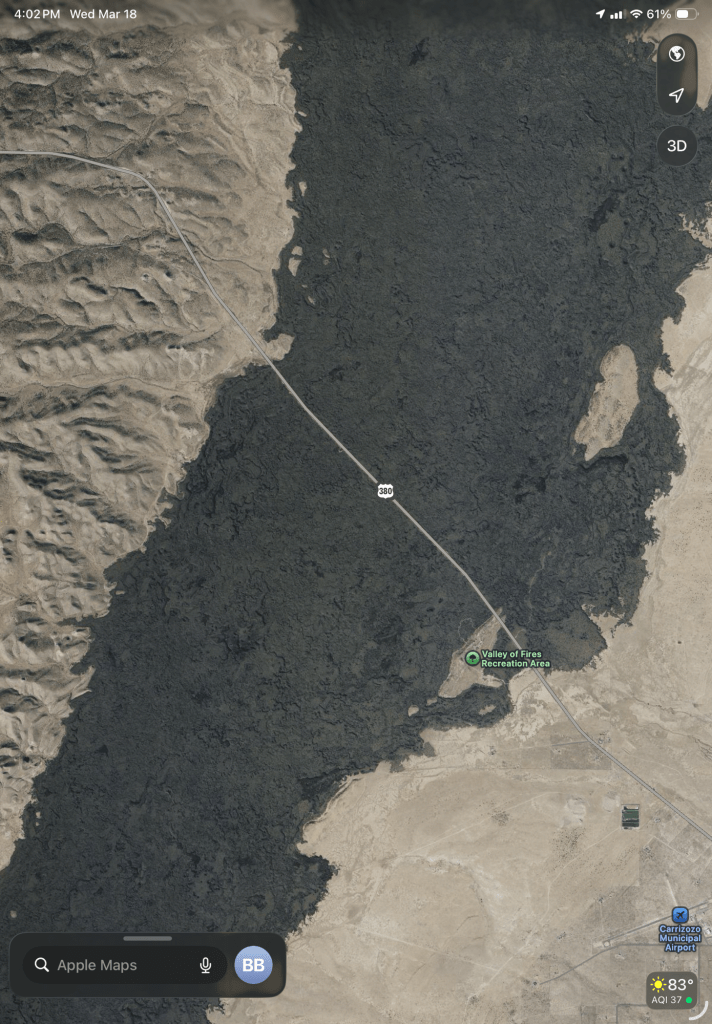
We drove about an hour and a half north to US 380 to get to the recreation area.
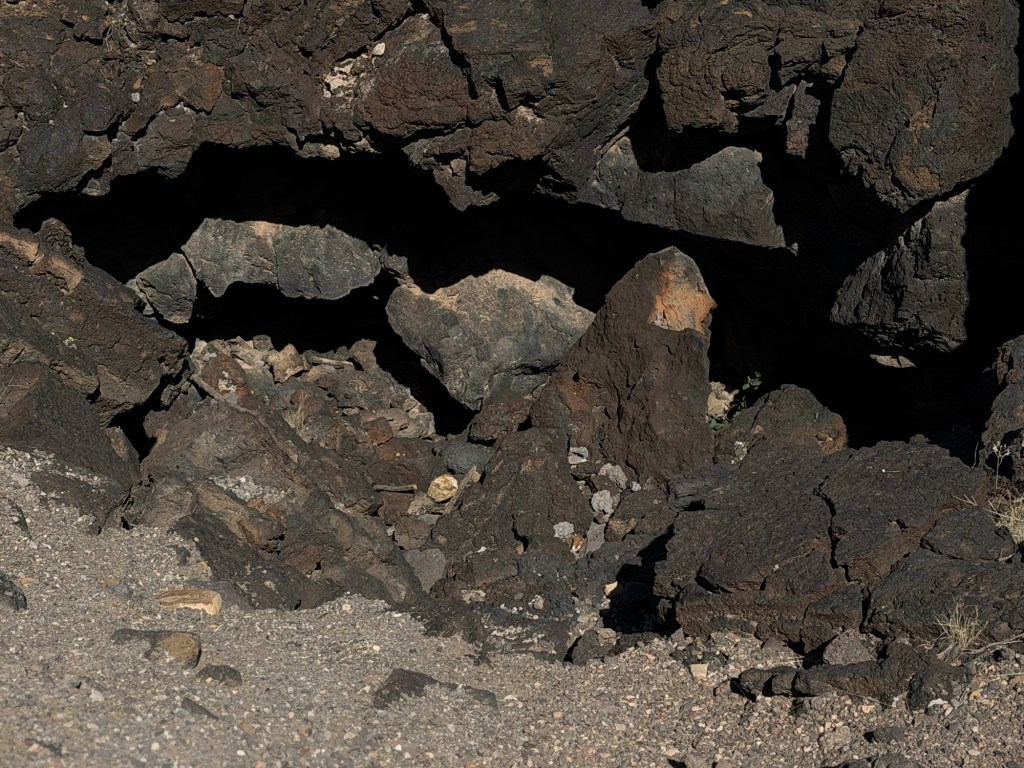
The lava is cracked and fissured.
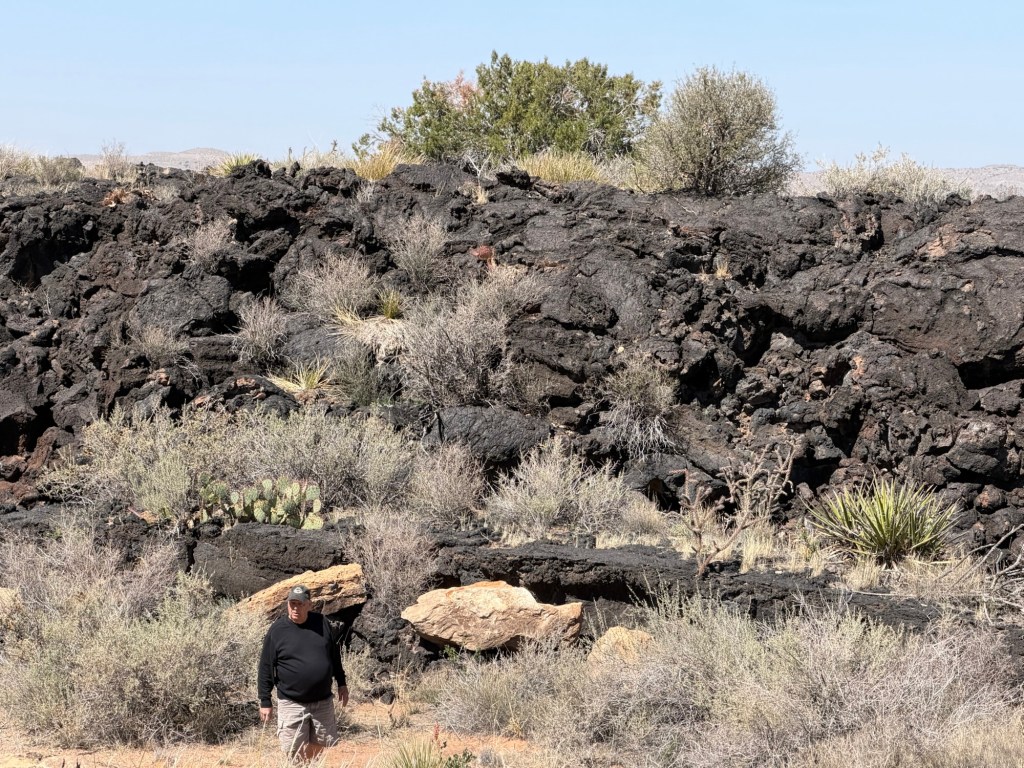
Soil and water both accumulate in the cracks and allow a surprising amount of plant growth. The flow is now dated at about 5,000 years ago.
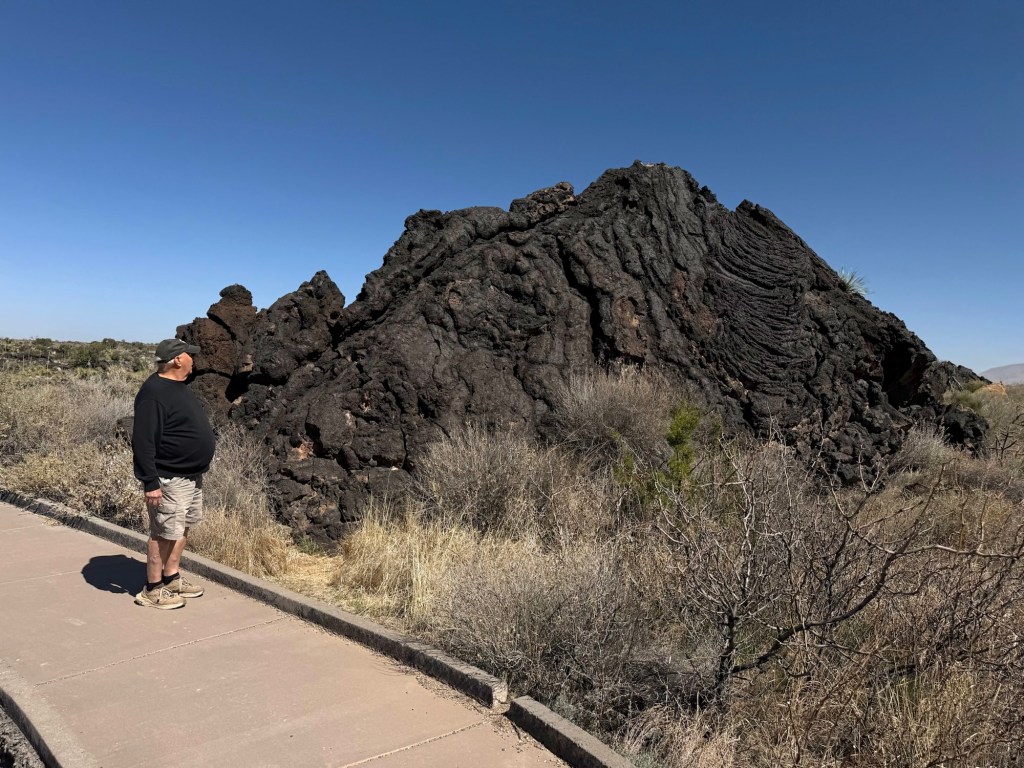
There are still plenty of huge blocks of solid lava.
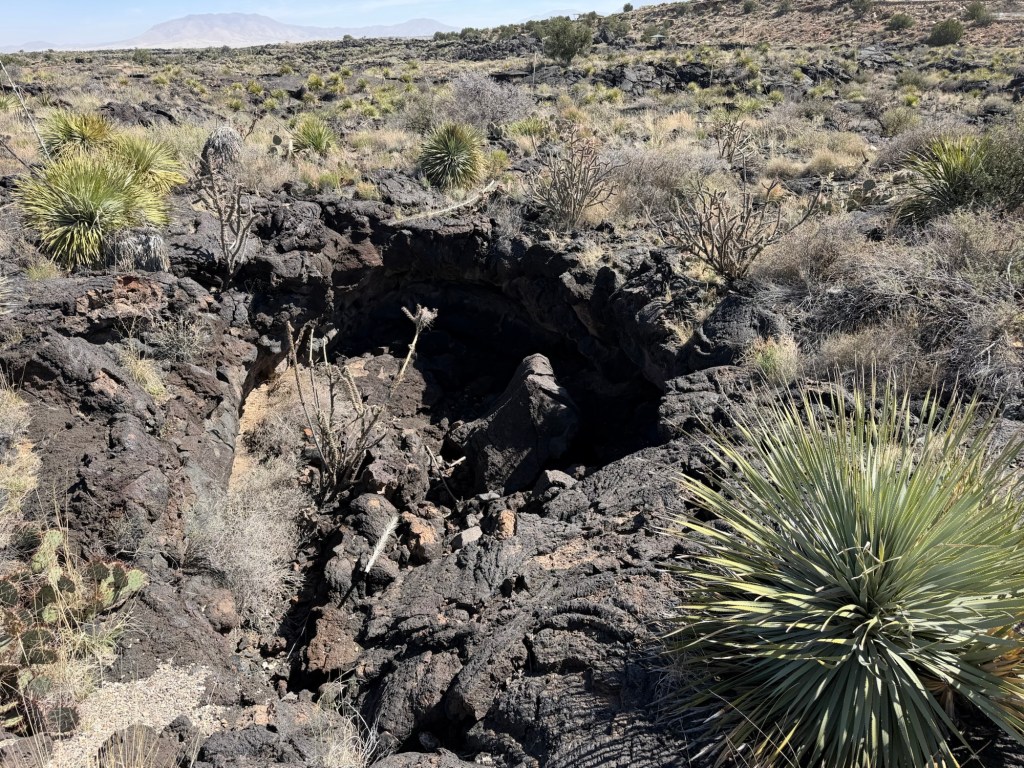
And there are caves where lava tubes have broken open.
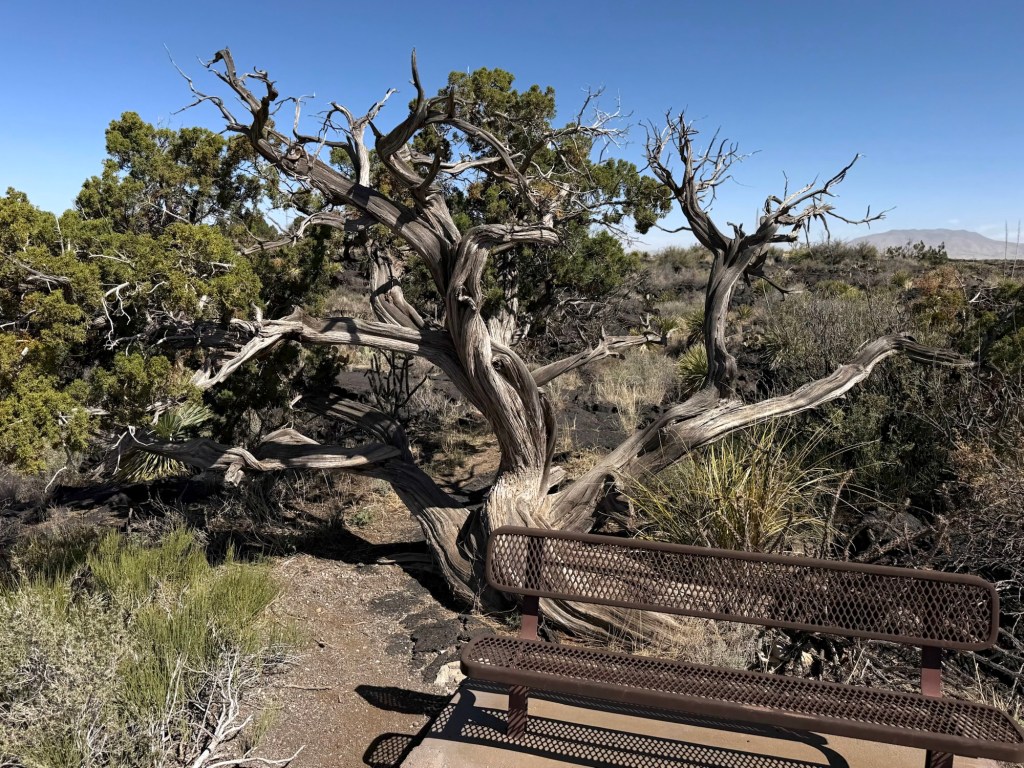
This juniper has been growing here for about 500 years.
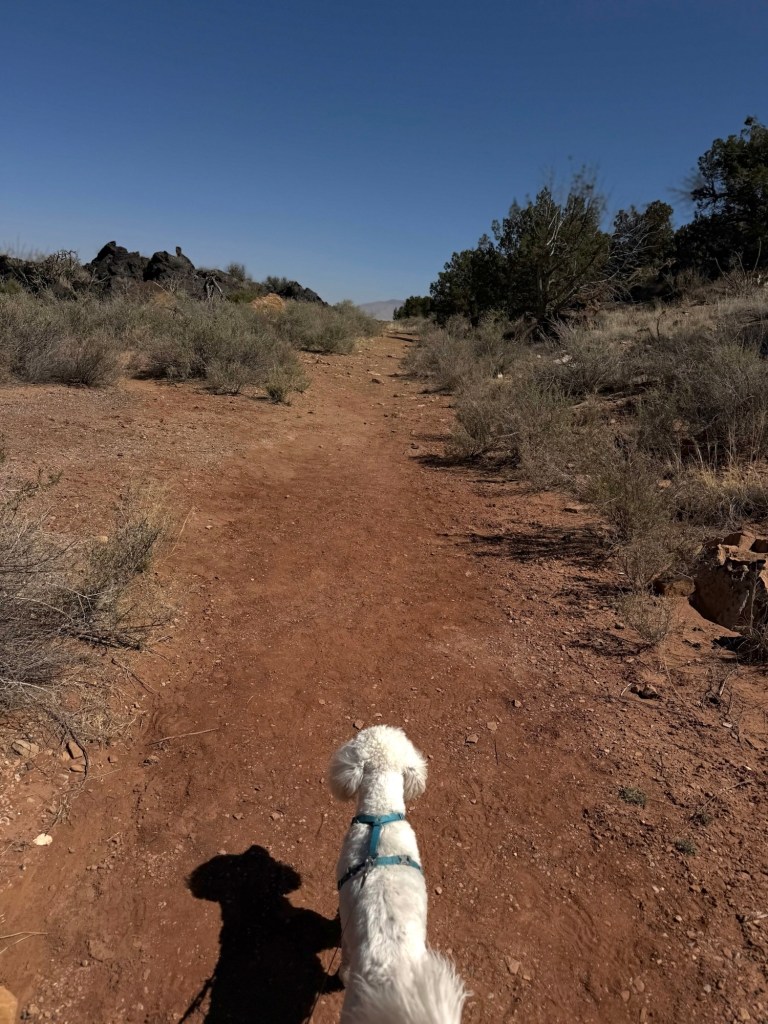
After walking the three quarters of a mile through the lava, we took a new trail alongside the flow. The dirt here isn’t red because of iron. It’s from limestone that was altered by the intense heat of the lava.
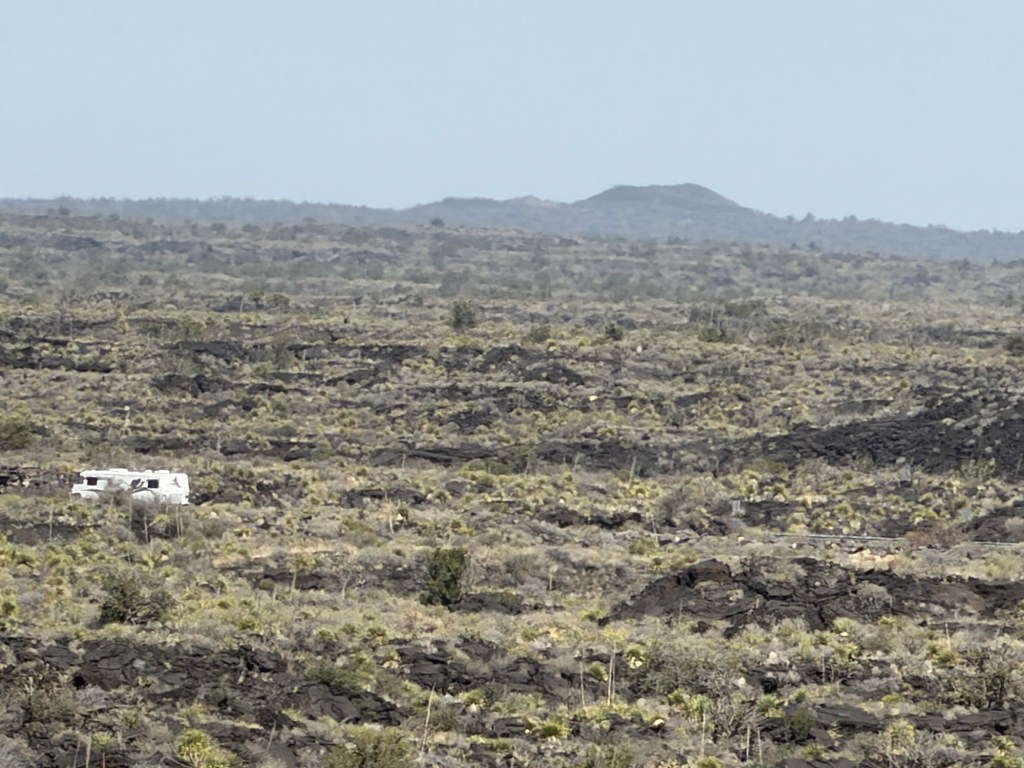
From an overlook on a small hill you could see Little Black Mountain, probably the last source of lava in the three decade period in which the lava oozed forth, and the only source that resembled an eruption. That RV is most likely at the Carrizozo Malpais Wilderness Study Area, west along 380, though we didn’t drive there.
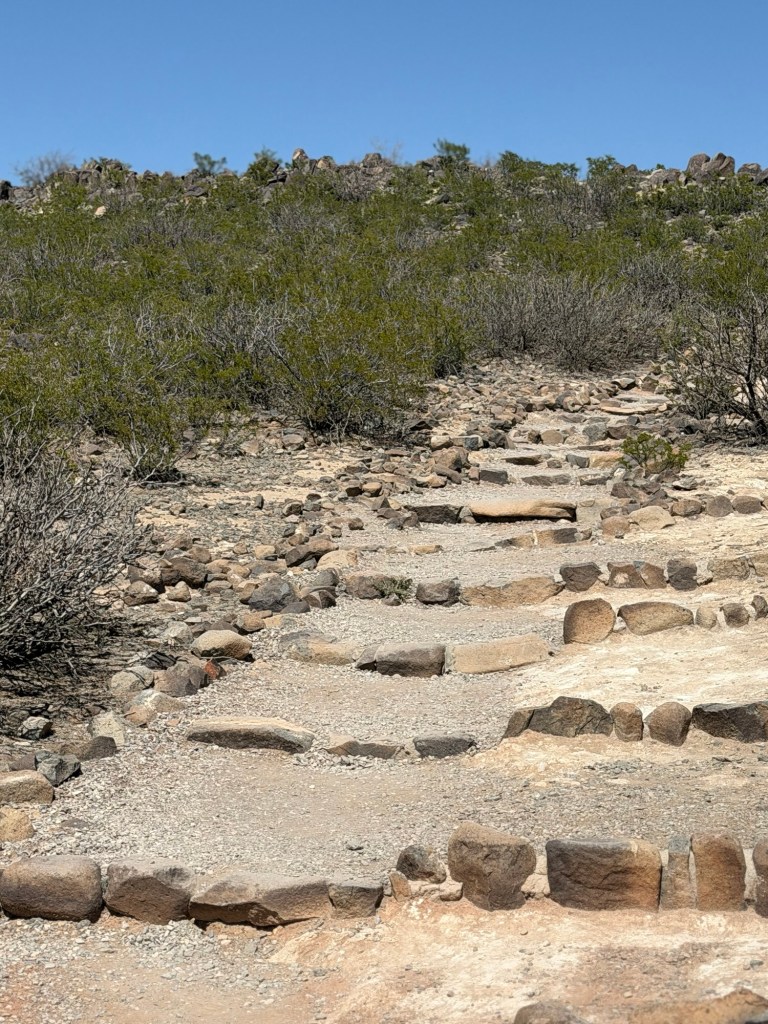
Instead, we drove back towards our campground, but along the way stopped at the Three Rivers Petroglyph Site. We had to take turns walking the trail because Matey wasn’t allowed near the petroglyphs. The truck stayed cool with all the windows open and Matey was content to sleep.
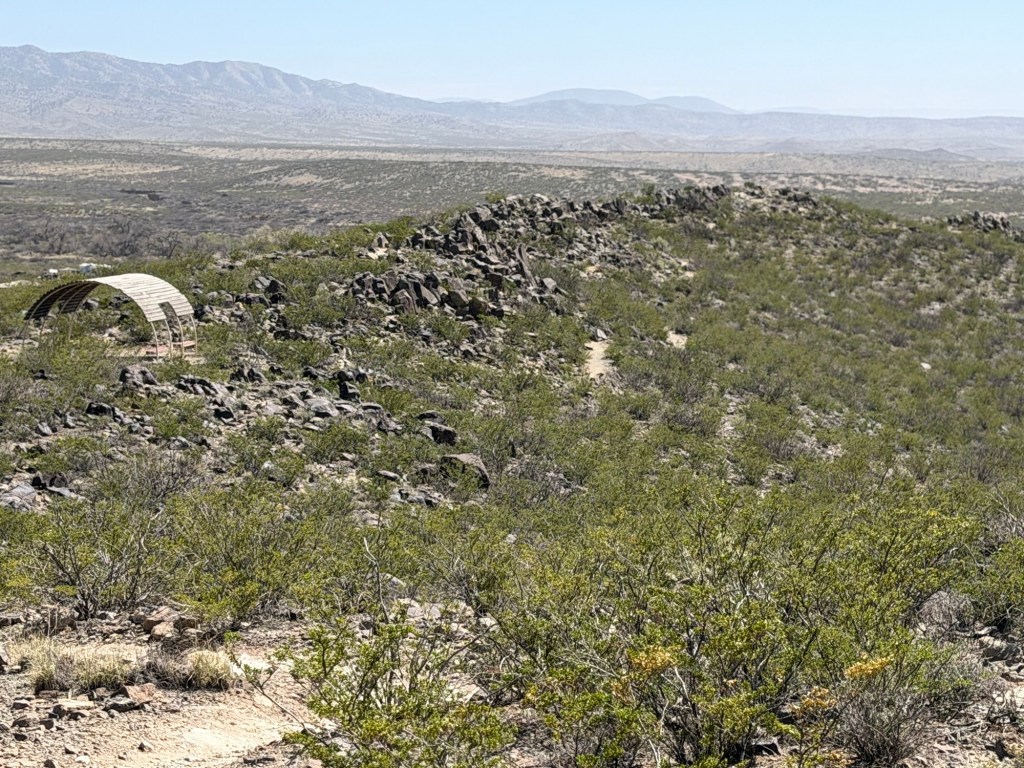
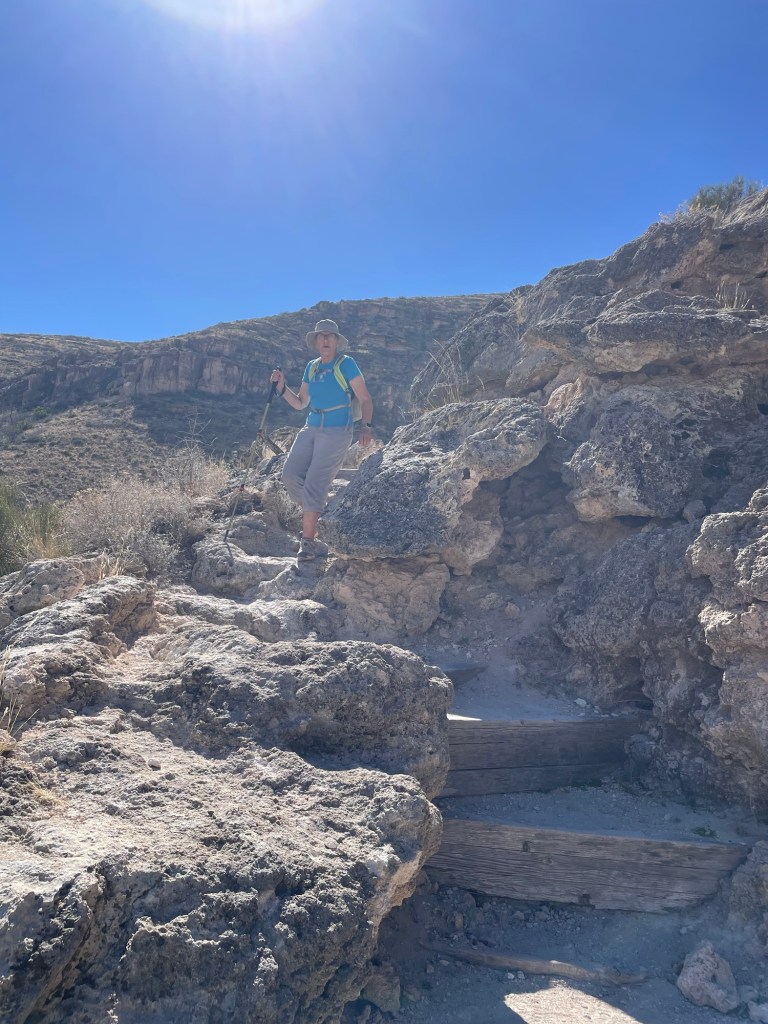
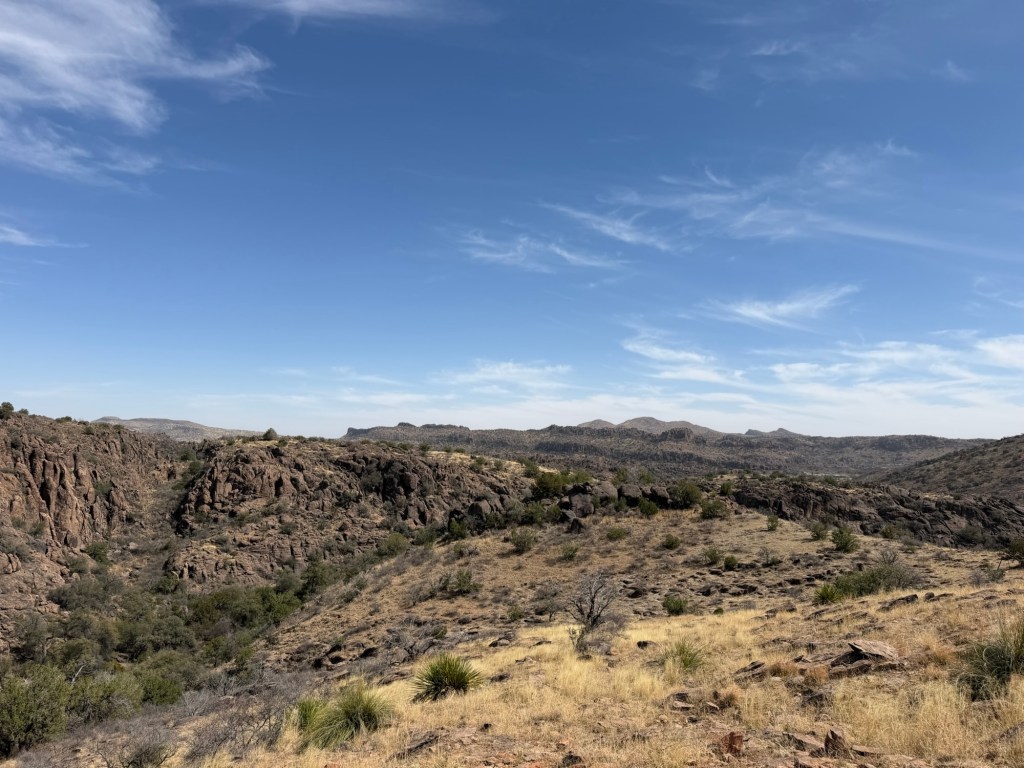
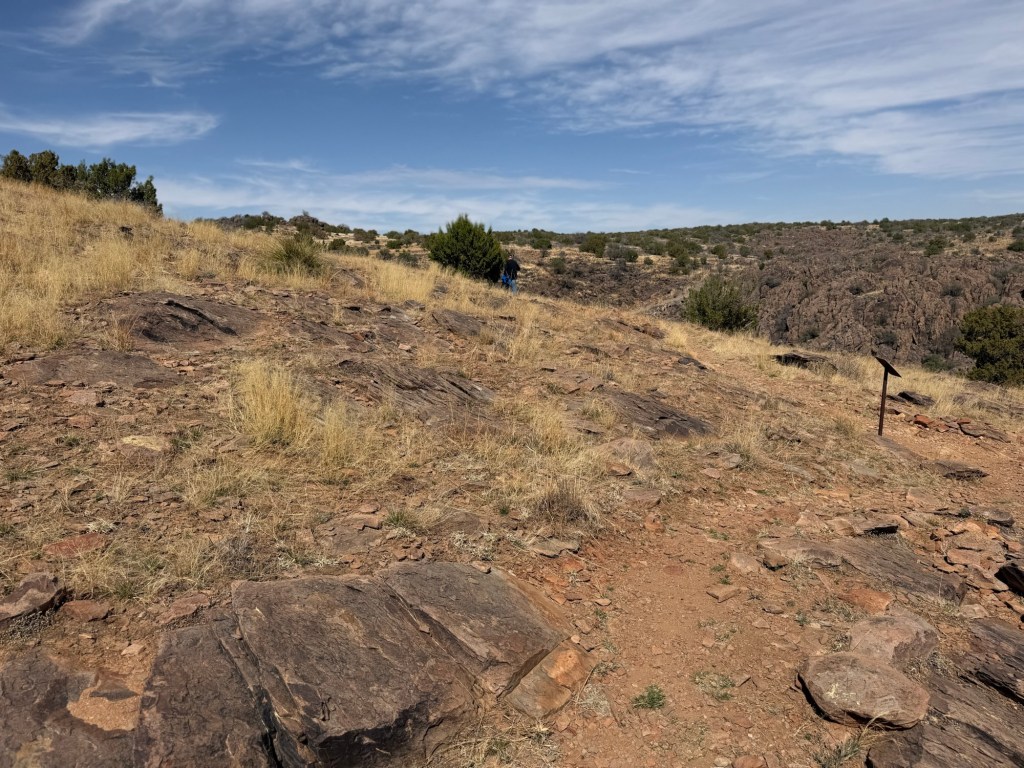
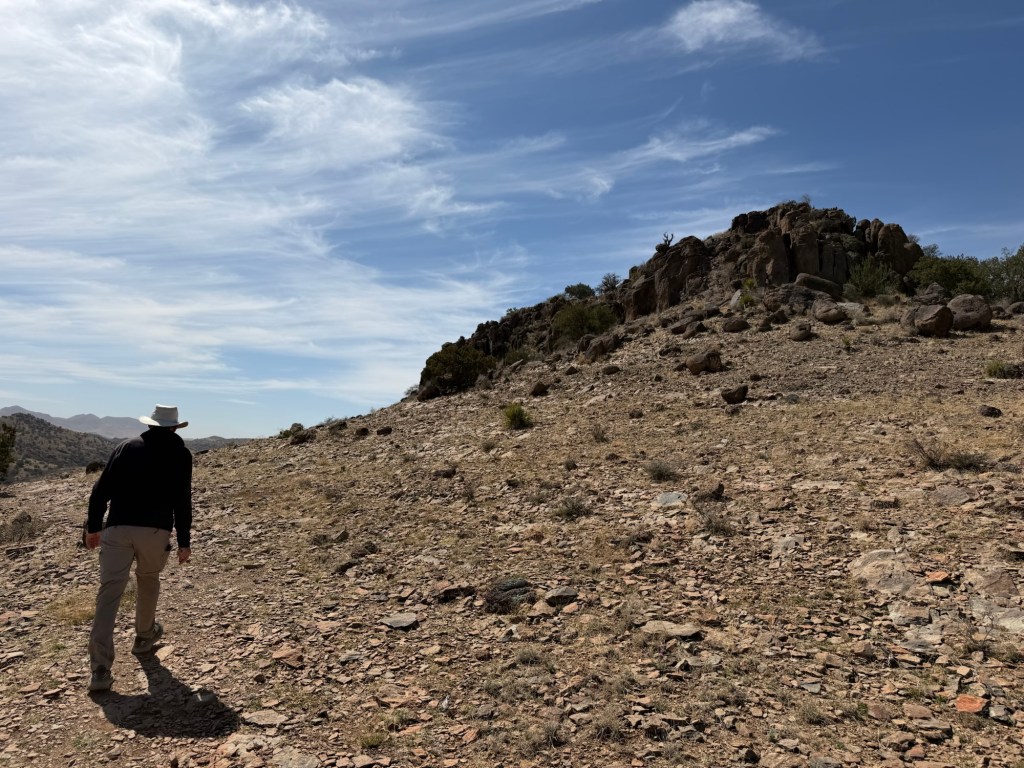
I walked quite a ways up, past the first basaltic ridge.
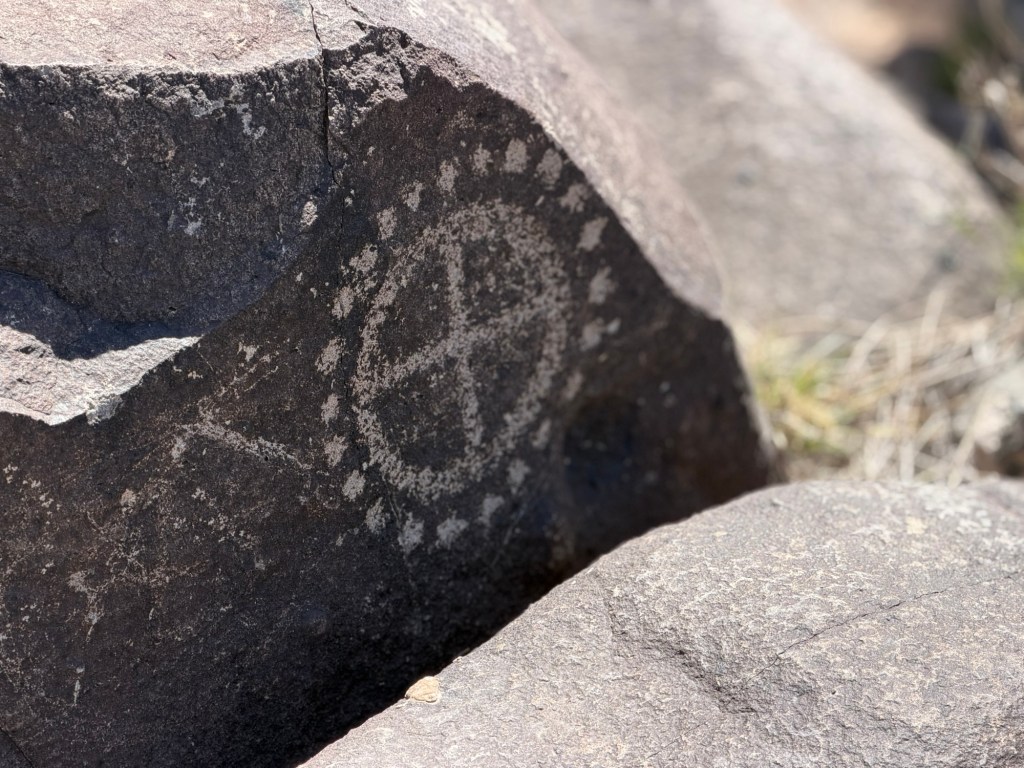
There were petroglyphs starting less than a tenth of a mile from the trailhead.
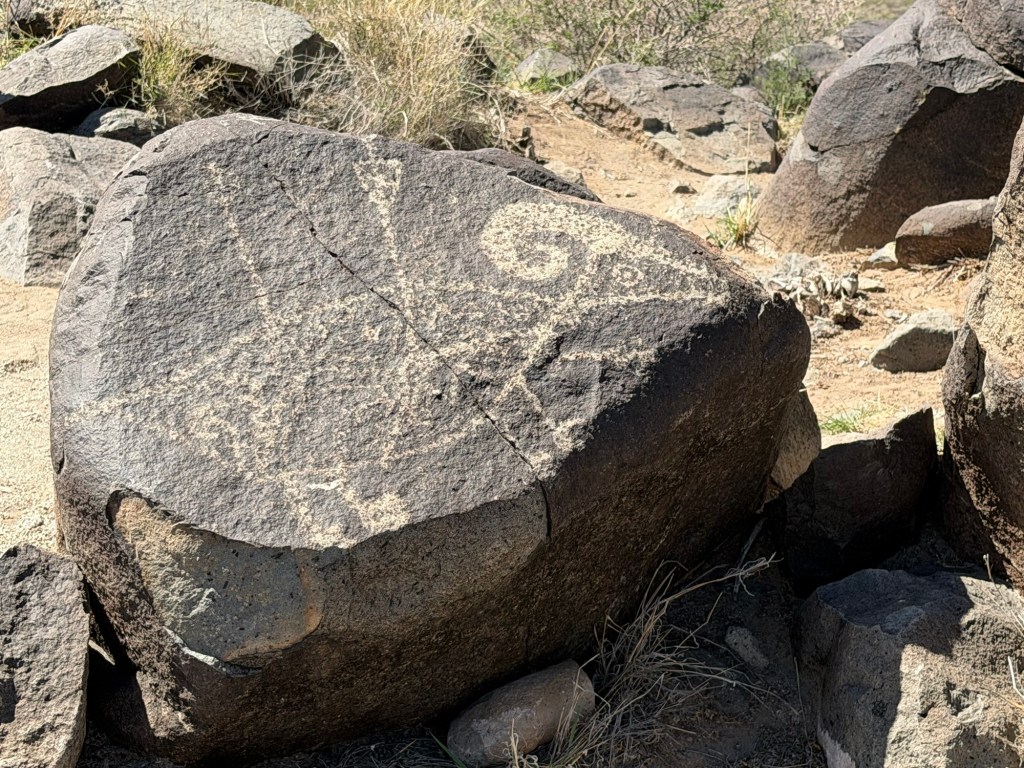
These petroglyphs were made by the Jonada Mogolon people between about 200-1450 CE. They are made by using stone tools to remove the dark patina on the rocks.
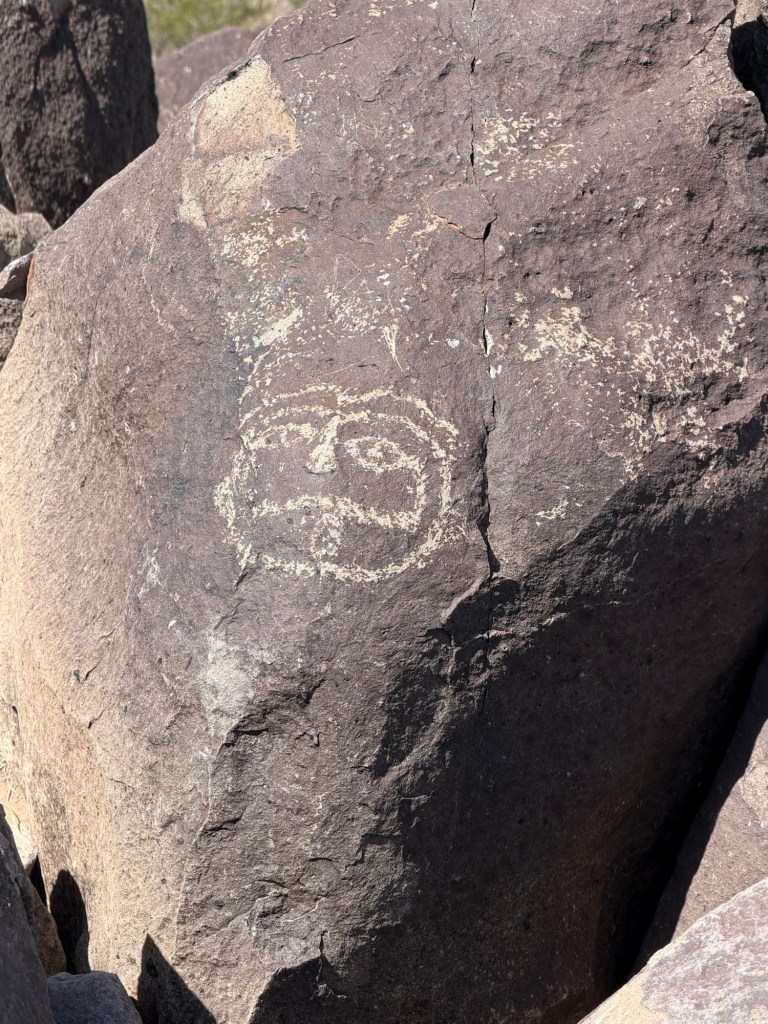
This face is carved on the curved surface of the rock, so it almost looks like the rock is alive.
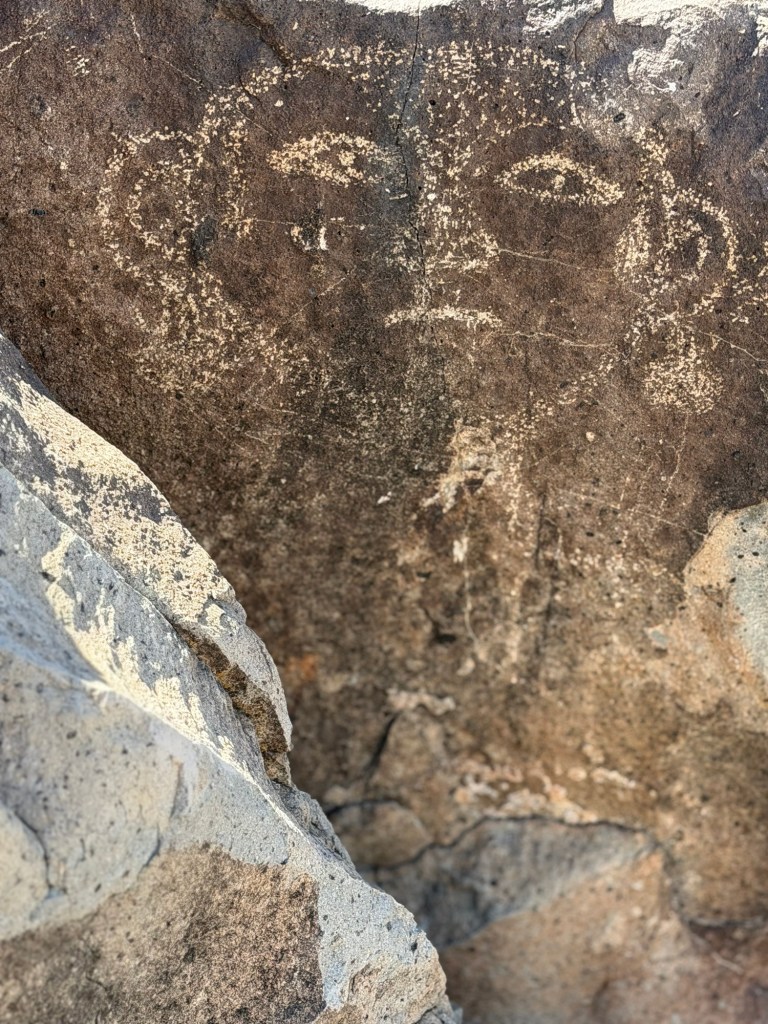
I liked this face, with earrings.
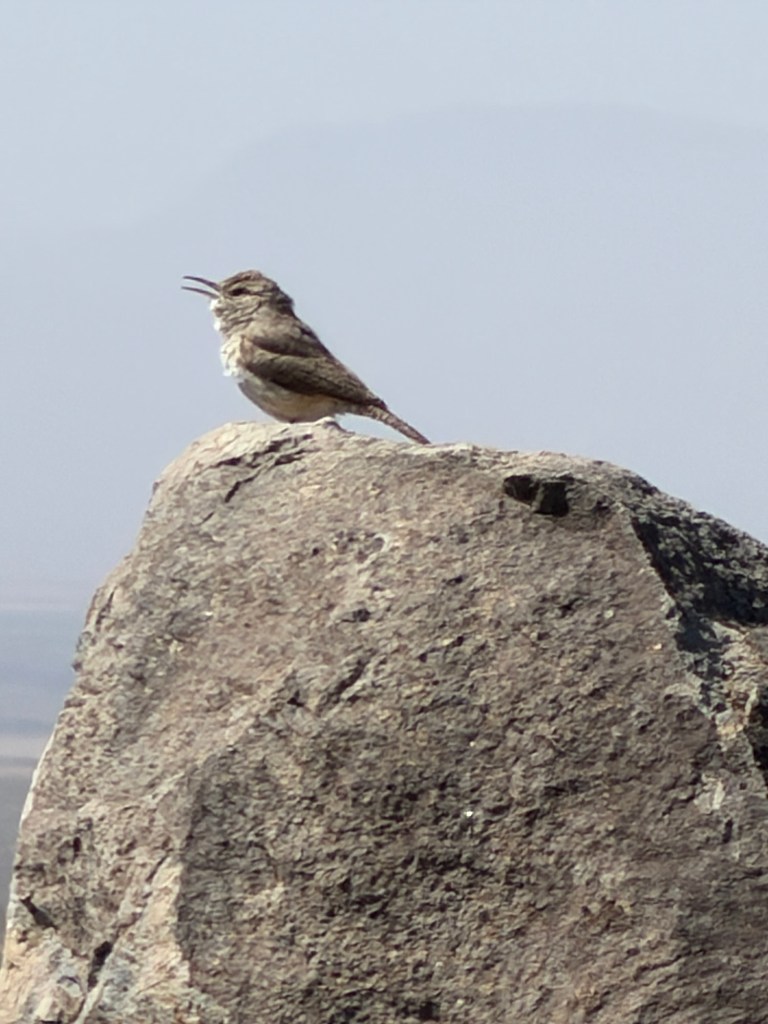
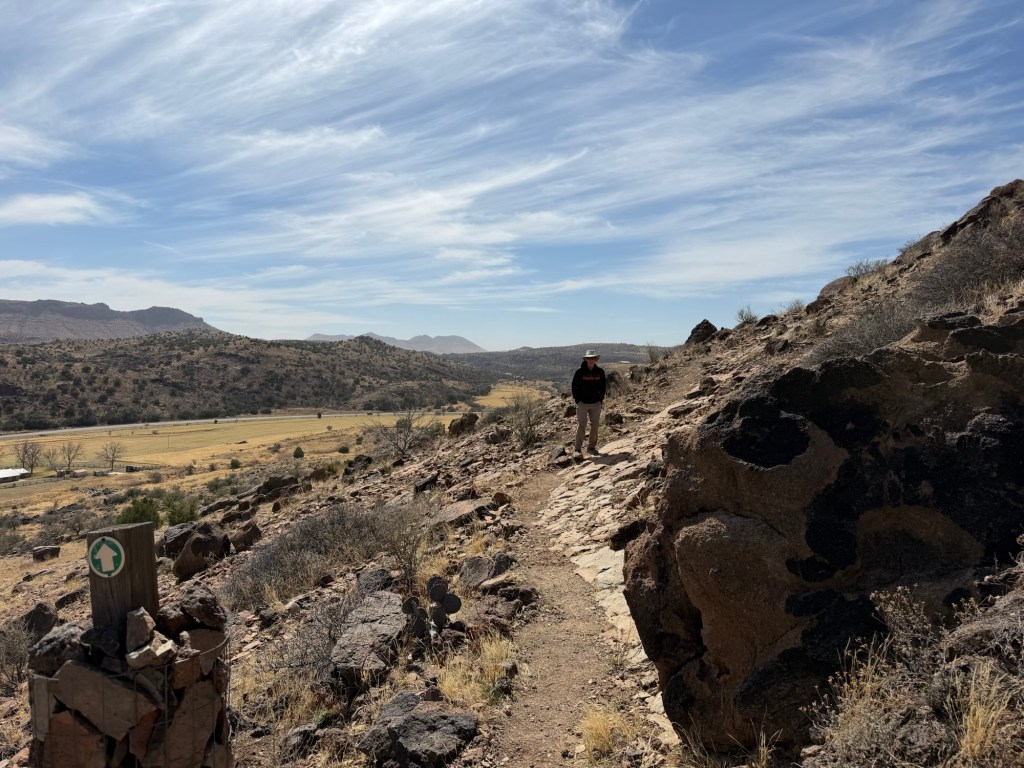
It was a pleasant hike even without the petroglyphs…
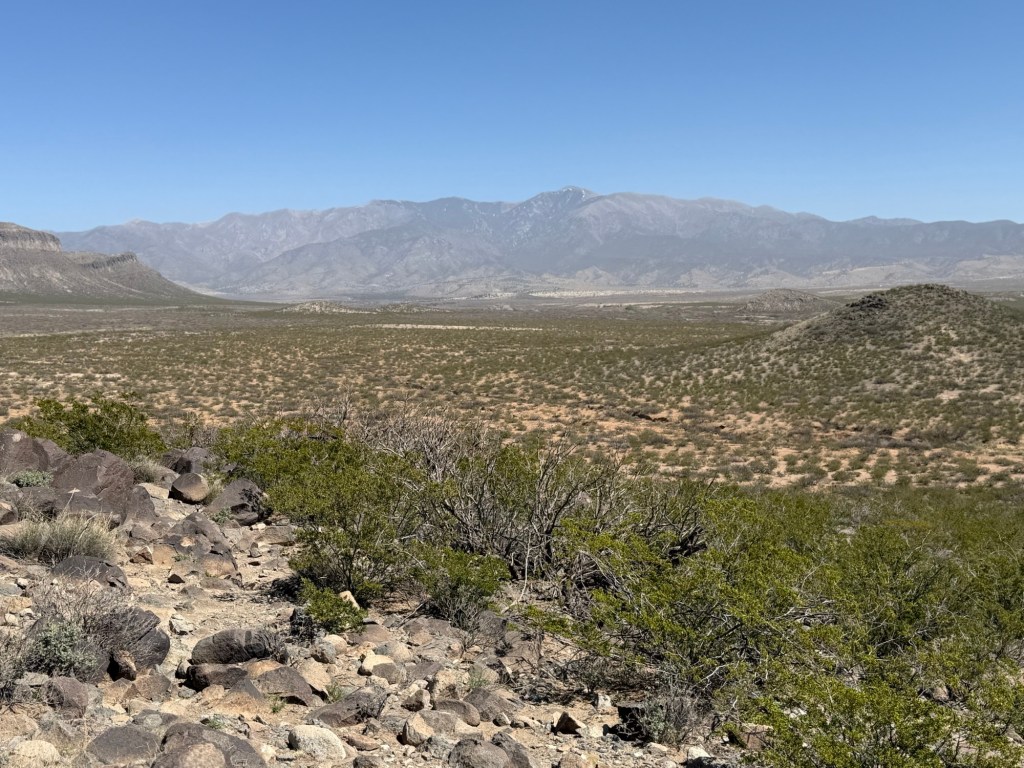
with views of the Sacramento Mountains,
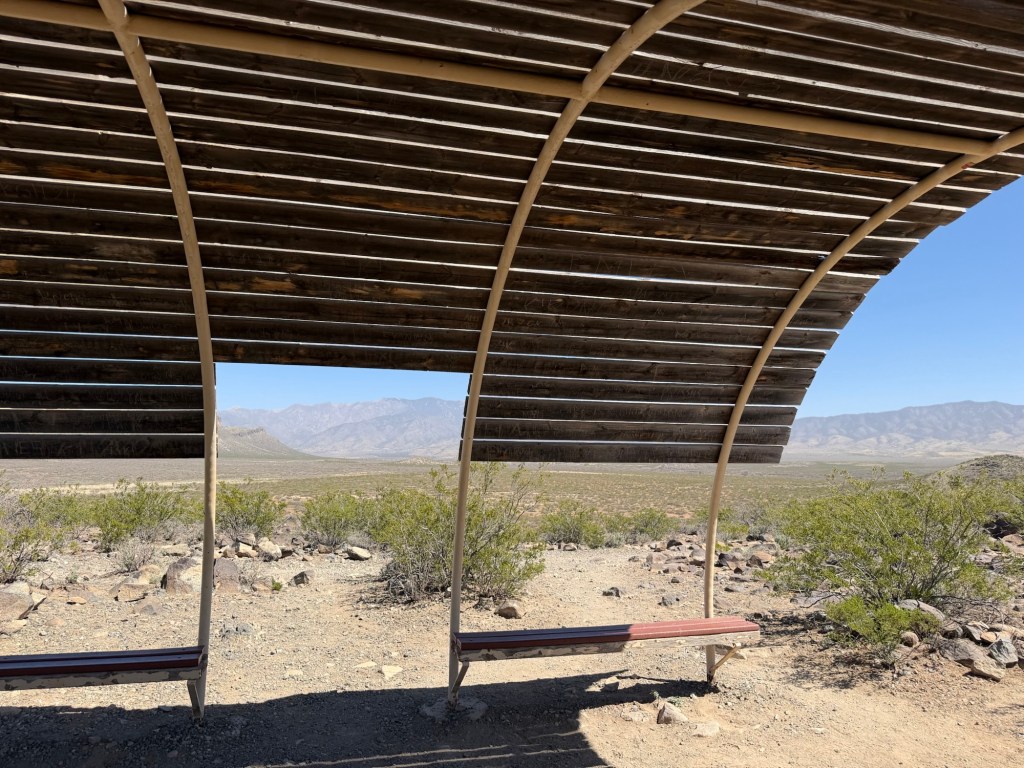
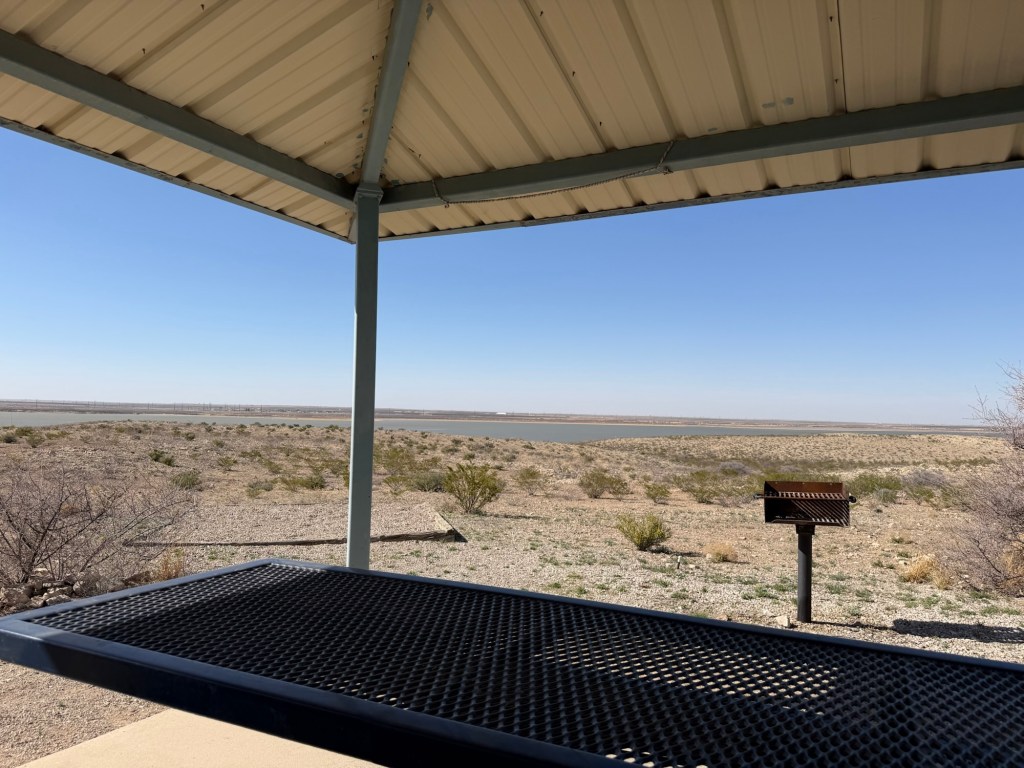
and a nice shade structure.
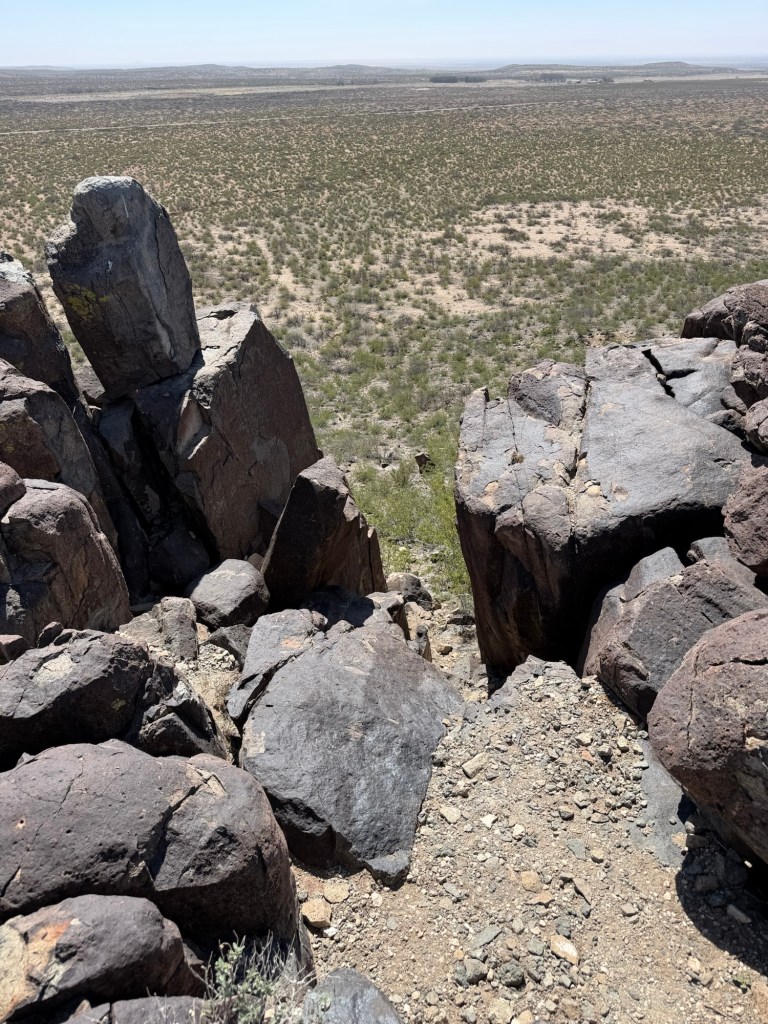
But the stars of the show on these rugged ridges…
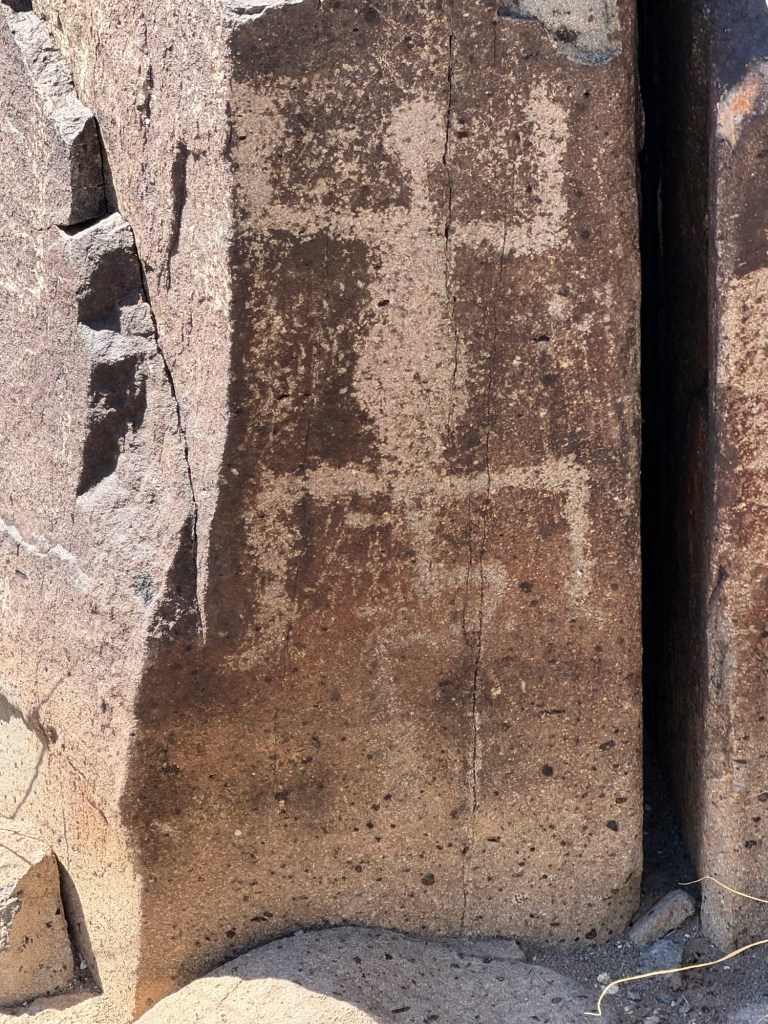
are the 21,000 petroglyphs.
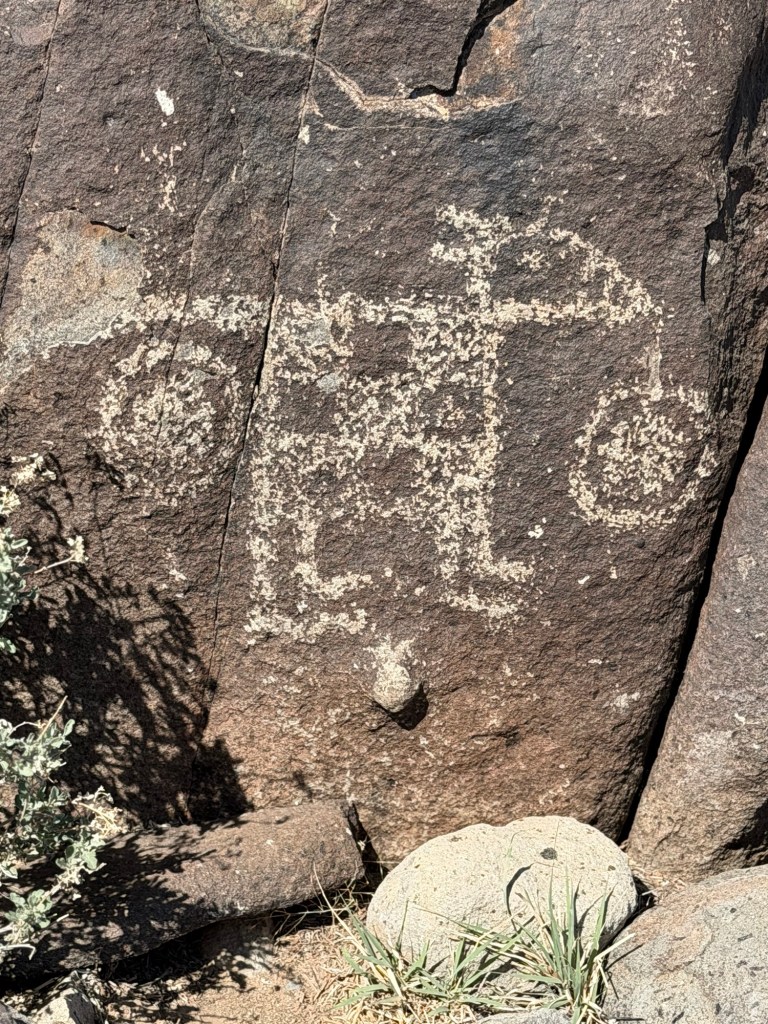
This was among my favorites.
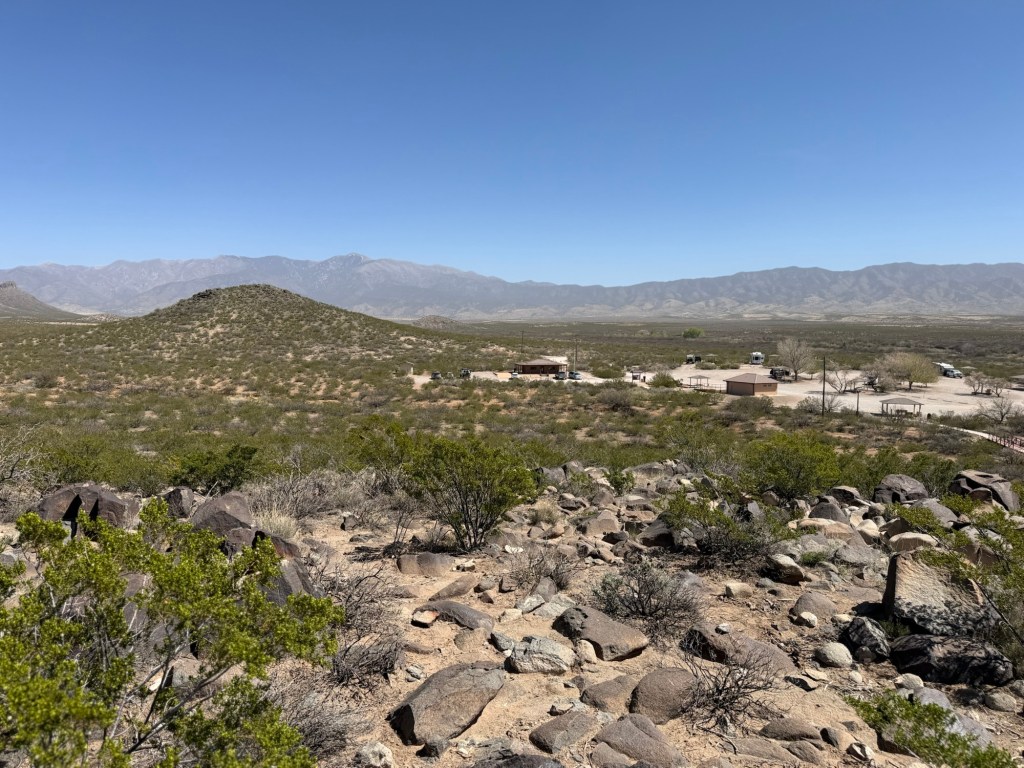
Both of the sites we visited were run by the Bureau of Land Management. And both had small campgrounds. The Three Rivers Petroglyph Site has just two serviced RV sites and a few unserviced sites. Either would make a great stop in the future.
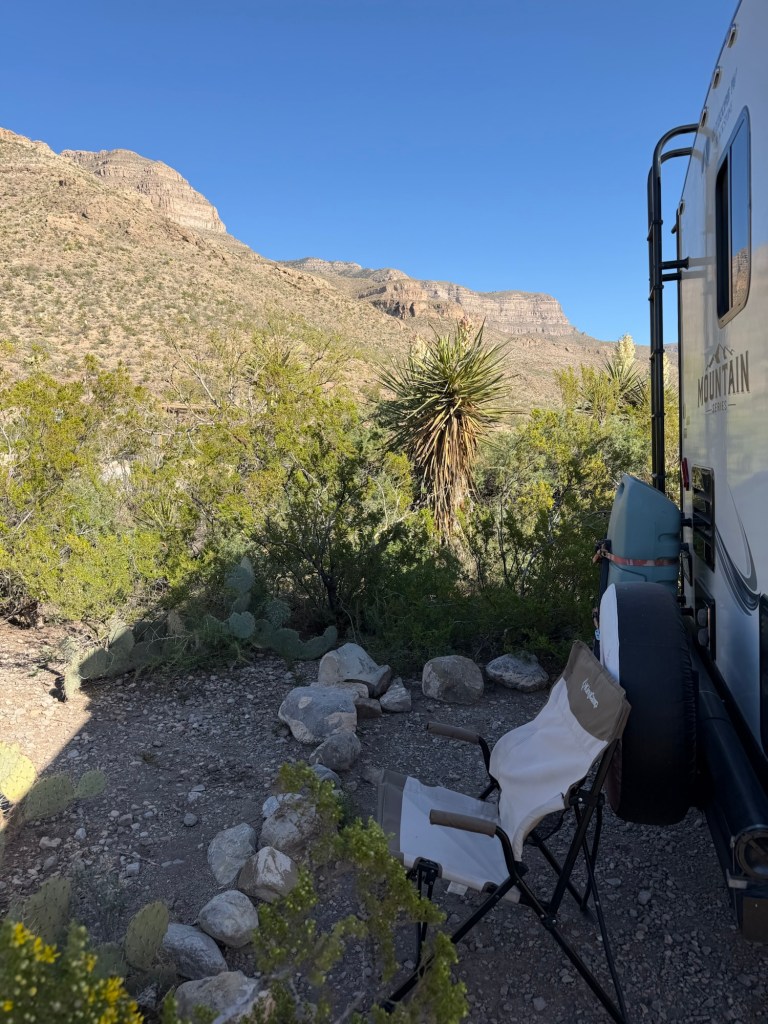
Today it’s 84 degrees, so after going to the laundromat this morning, I’m just chasing the shade around the camper as I write this, which isn’t so bad, at all.



 On the Roam Again